Current status of Texas agricultural plant protection drone market
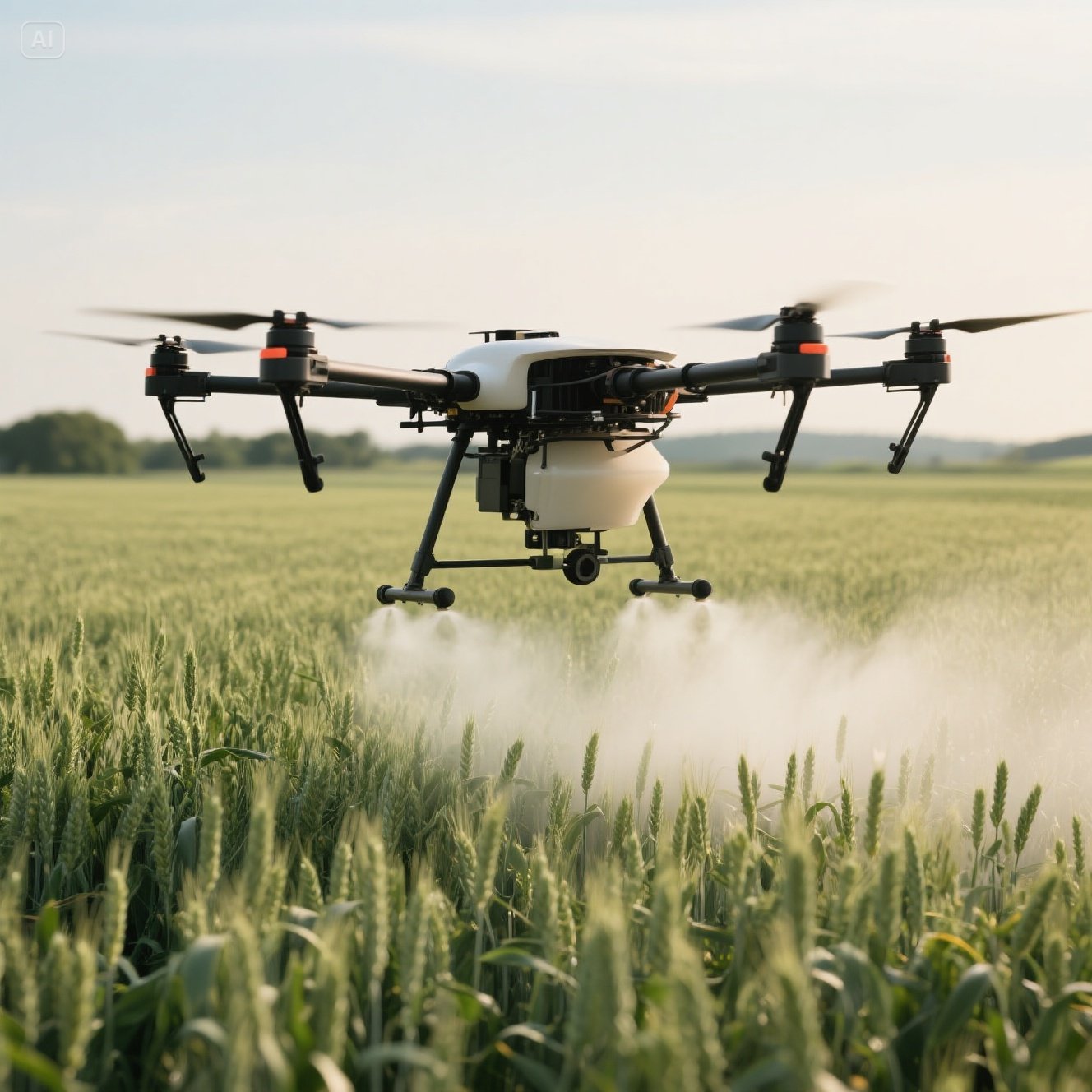
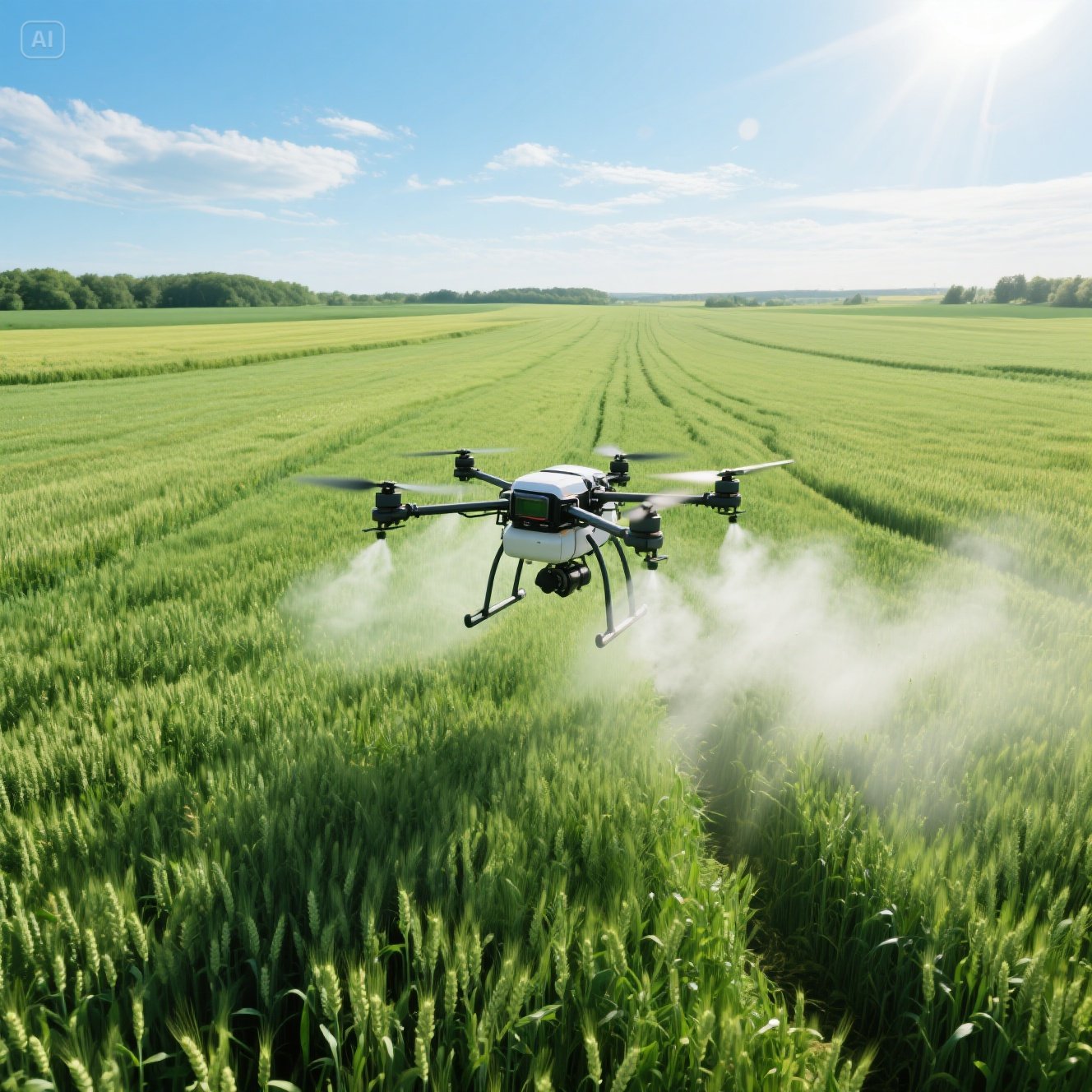
In Texas, agricultural plant protection drones are increasingly used. For example, Gai Xin and Dong Fei, the "new farmers" couple in Wucheng County, have been involved in the field of drone plant protection since 2018. In 8 years, the area covered by drones has reached 130,000 acres. Their experience highlights the rapid development of drone crop protection in Texas. Today, in much of rural Texas, drone spraying pesticides covers much of the farmland.
There are also many drone-related companies in Texas. For example, Shandong Tianxi Aviation Technology Co., Ltd., as one of the earliest domestic manufacturers involved in the research and development of agricultural drones, has cooperated with Beihang University and applied for multiple patents. The Tianxi plant protection UAV products it produces are diverse and cover different payload models. Some of them have also entered the agricultural machinery subsidy catalog and are sold well in many places in China and exported overseas. In addition, XAG's crop protection drones have an operation center in Dezhou, located about 30 meters west of Xicheng Hospital, Ling District, Tangcheng Road, Lingcheng District, Dezhou City, Shandong Province, to provide products and services to local users.
Key points for purchasing plant protection drones
Matching load capacity and working area : You need to select the load capacity of the drone according to the size of your working area. If the land is vast, you can consider a large UAV with a load capacity of 40 kilograms developed by Tianxi Airlines, which can operate up to 2,000 acres per day. ; If the working area is small, you can choose a machine with a relatively small load capacity, such as the common 10-20 kg load capacity model, to avoid wasting resources.
Transportation convenience considerations : Given that the farmland environment is complex and the land may be uneven, drones that are easy to transport can significantly improve operational efficiency. Some drones are designed with a foldable structure for easy portability, making it easier to transfer between different operating locations.
After-sales service guarantee : Drones will inevitably malfunction during operation, so high-quality after-sales service is crucial. Tianxi Airlines, for example, requires buyers to receive 3-7 days of free training at the company. Products that fail to pass the training will not be sold. It also provides customers with convenience in terms of warranty, maintenance, etc., and can also arrange expert on-site guidance according to customer needs. When purchasing, you should know the manufacturer’s after-sales network distribution, repair response time, etc.
Price and budget control : On the basis of meeting the operational needs, select cost-effective products based on your own budget. The price of plant protection drones varies depending on factors such as brand, load capacity, function, etc., ranging from tens of thousands to hundreds of thousands of yuan. At the same time, attention should be paid to whether there are agricultural machinery subsidies and other policies to reduce purchase costs.
Legality and product quality : Be sure to ensure that the drone product you purchase has a production approval certificate and has passed the appraisal of relevant national authoritative units to prevent the purchase of products of poor quality. For example, the quality and performance of products certified by the Ministry of Agriculture and Rural Affairs are more guaranteed.
Precision operation ability : An ideal plant protection drone should be able to work stably and reliably in harsh environments such as high temperature, high humidity, strong corrosion, and dust, and achieve precise spraying to ensure even coverage of crops with pesticides, fertilizers, etc., and improve operational effectiveness.
Suggestions for selecting industrial drones (applicable to agricultural expansion scenarios)
Multispectral camera equipped : If you are not only satisfied with plant protection operations, but also want to monitor crop growth conditions, you can choose an industrial-grade drone equipped with a multispectral camera. This type of drone can obtain image information in different bands, analyze the health status, nutritional level, pests and diseases of crops, etc., and provide data support for precision agriculture. For example, some drones of Times Starlight can be equipped with relevant modules as needed.
Long battery life options : For large-area farmland operations or tasks that require long-term aerial operations (such as large-area farmland inspections), long-range industrial-grade drones are a good choice. For example, the Beehawk F1 has an unloaded battery life of up to 68 minutes, and a three-light pod equipped with a battery life of over 50 minutes, which can reduce charging frequency and improve operating efficiency.
Adaptability to special environments : Some areas of Texas may have special terrain or climate conditions. If the wind is strong in the operating area, you can choose a model with strong wind resistance, such as the Tiantu M8FD-T tethered UAV, which has a wind resistance rating of up to 7; If the operating environment has strong electromagnetic interference, you need to choose a drone with good anti-interference performance to ensure flight stability and data transmission security.
Task load flexibility : Consider industrial-grade drones that can flexibly configure task loads. In addition to conventional pesticide sprayers, they can also be equipped with functional modules such as megaphones (for agricultural notifications, etc.) and high-definition mapping cameras (for farmland surveying and mapping) to achieve multiple uses in one machine. For example, some industrial drone customization services can be optimized and designed based on wind speed, humidity, temperature difference, terrain complexity and other parameters, and a variety of functional modules can be flexibly selected.