Dongying Agricultural Plant Protection Drone Purchasing and Selection Guide
Dongying, this fertile land located in the Yellow River Delta, has unique agricultural development. In the vast farmland, wheat, corn and other food crops sway in the wind ; Specialty cash crops such as Guangrao carrots and Hekou winter dates also thrive on this land. However, in the agricultural production process, pests and diseases have always been the "big enemy" that threatens the healthy growth of crops. Traditional plant protection methods are inefficient and costly, and are no longer able to meet the needs of modern agricultural development. The emergence of plant protection drones, like a timely rain, has brought new solutions to the prevention and control of agricultural pests and diseases in Dongying, and is gradually becoming an indispensable assistant for farmers and agricultural practitioners. A comprehensive understanding of the application, advantages, types and purchase selection points of plant protection drones in Dongying agriculture will help users accurately select equipment that meets their own needs and give full play to their huge effectiveness in agricultural production.
Diverse application scenarios of plant protection drones in Dongying agriculture
1. Efficient protection of food crops
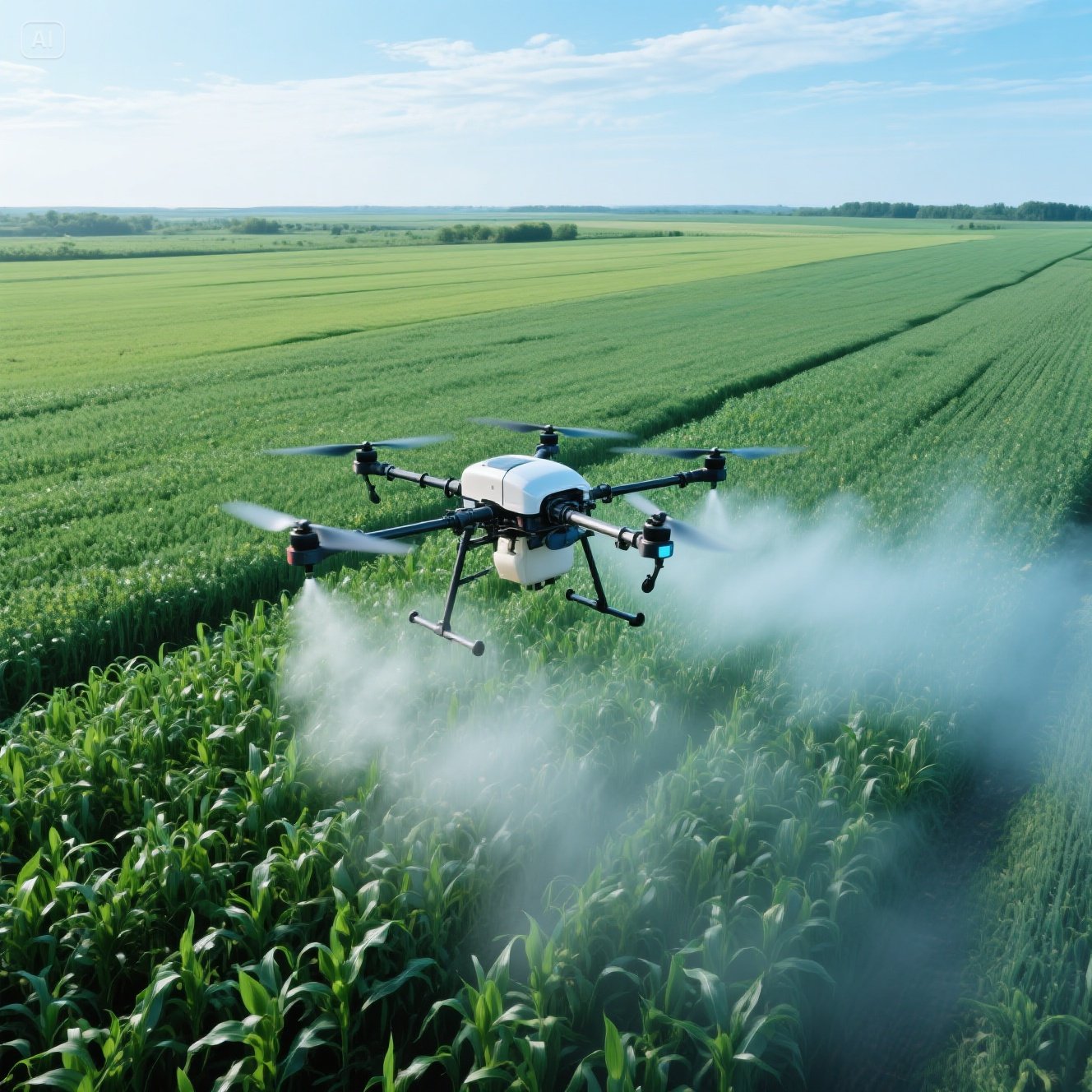
In the main grain-producing areas of Dongying, such as Guangrao County and Lijin County, wheat and corn are the main crops. During the critical growth period of wheat every year, pests and diseases occur frequently. Aphids, midges, rusts, etc. seriously affect wheat yield and quality. Taking Lique Town in Guangrao County as an example, local farmers use plant protection drones to carry out "one spray and three prevention" operations. During the wheat flowering period, multiple plant protection drones flew in formation, shuttled over the wheat fields, and evenly sprayed pesticides to prevent insects, diseases, and dry and hot winds. UAVs rely on precise flight control and efficient spraying systems to quickly complete large-area operations. The workload can reach hundreds of acres a day. Compared with traditional manual spraying, the efficiency is improved dozens of times, effectively ensuring the healthy growth of wheat and laying a solid foundation for a bumper summer grain harvest.
2. Precise care of special economic crops
Dongying's characteristic cash crops are widely planted, and Guangrao carrots, Hekou winter dates, etc. are famous. These crops require extremely high precision in pest and disease control. Taking the Hekou Dongzao Plantation as an example, the plant protection drone is equipped with a high-precision positioning system and intelligent spray equipment to accurately adjust the spray volume and flight height according to the different growth stages of jujube trees and the status of diseases and insect pests. In the early stages of pests and diseases, drones can accurately apply pesticides to local areas to avoid wastage of drugs and over-spraying. ; During the period of high incidence of pests and diseases, it can quickly cover the entire orchard to ensure that each jujube tree is effectively protected, which not only ensures the yield of winter jujubes, but also improves fruit quality, helping specialty agricultural products gain a competitive advantage in the market.
3. Professional maintenance of garden plants
Dongying’s urban greening and landscape construction are also inseparable from the help of plant protection drones. In parks, road green belts and other places in the Dongying Economic and Technological Development Zone, the garden management department uses plant protection drones to prevent and control diseases and pests on tall trees and dense green plants. UAVs such as the DJI T20 can carry a load of up to 20 kilograms and can complete the pesticide application on seedlings in a 20-acre park in 15-20 minutes. Compared with traditional manual spraying, drones can easily reach high-altitude and complex terrain areas that are difficult to reach manually, distribute pesticides more evenly, greatly improve work efficiency, effectively prevent and control garden pests such as beetles and white moths, and protect the beauty and ecological balance of urban green landscapes.
The significant advantages of pesticide spraying drones compared with traditional plant protection
1. Operation efficiency increases geometrically
Traditional manual backpack sprayer spraying is limited by human body strength and movement speed. The working area per person per day is only 5-8 acres, and the labor intensity is extremely high. The operating efficiency of plant protection drones is amazing. Ordinary multi-rotor plant protection drones can operate up to 50-100 acres per hour, and large manned helicopter aerial plant protection aircraft can even reach thousands of acres per hour. In the unified prevention and control of wheat diseases and pests in Daquan Town, Guangrao County, more than 20 rotary-wing agricultural plant protection drones worked intensively, completing the aerial control task of 30,000 acres of wheat in just four or five days, greatly shortening the prevention and control cycle, ensuring that the work was completed within the best time for pest and disease control, and effectively curbing the spread of pests and diseases.
2. Significant cost savings
From the perspective of labor costs, with the increase in labor prices, it is increasingly expensive to hire workers to perform plant protection operations. Although the one-time purchase cost of plant protection drones is relatively high, long-term use can significantly save labor expenses. Taking a 500-acre farm as an example, if artificial plant protection is used, a large number of people will be hired for each operation, which is very costly. ; After using plant protection drones, only a few pilots are needed to operate them, and labor costs are significantly reduced. At the same time, drone spraying is precise and can accurately control the dosage according to crop needs. Compared with manual spraying, it can reduce the amount of pesticides used by 20% - 30%, reduce the cost of pesticides, and avoid the health risks and related medical expenses that may be caused by long-term manual exposure to pesticides. The overall cost advantage is obvious.
3. The prevention and treatment effect is even better
Manual spraying of pesticides is limited by the spraying angle, height and walking path. It is difficult to ensure that the pesticides evenly cover all parts of the crop, and it is prone to missed sprays and re-sprays. Through advanced flight control systems and precise spray technology, plant protection drones can accurately adjust flight height, speed, spray flow rate and droplet size according to factors such as crop type, pest and disease level, topography and other factors, so that the drug can be evenly and comprehensively attached to both sides of the crop leaves and stems, improving pesticide utilization and enhancing the control effect. In orchard plant protection, the powerful downwash airflow of drones can effectively deliver drugs into the canopy, ensuring that every corner of the fruit trees is protected and ensuring the healthy growth of crops.
Analysis of the types and characteristics of plant protection drones
1. Multi-rotor plant protection drone
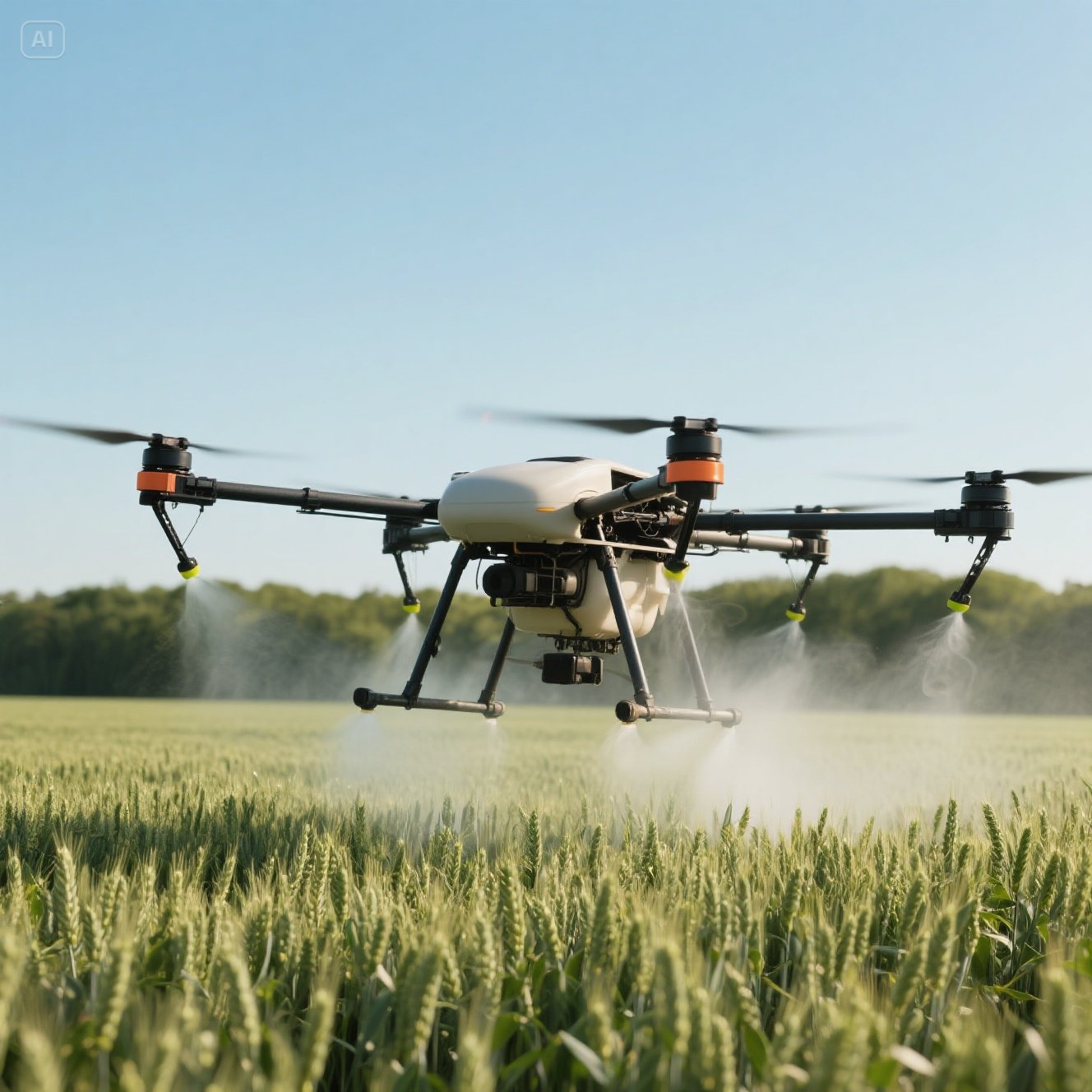
Multi-rotor plant protection drones have become the most widely used type in the Dongying market due to their simple structure, convenient operation and stable flight. Its multiple rotors work together to generate lift, allowing it to hover accurately at low altitudes and flexibly position the operating area. The load range is usually 5-30 kg, which can meet the needs of farmland of different sizes and complex terrain operations. Small multi-rotor drone with a payload of 5-10 kg, suitable for small orchards, vegetable fields and areas with large undulating terrain, such as some mountainous orchards in Dongying. It is small and flexible, and can easily shuttle between fruit trees for precise pesticide application ; Large multi-rotor UAV with a payload of 20-30 kg, suitable for large-area grain crop production areas, with high operating efficiency. The flight life of multi-rotor plant protection drones is generally 15-40 minutes, and the operating time can be extended by quickly replacing the battery or equipping a spare battery pack. The price is relatively affordable, with the bare metal price ranging from RMB 20,000 to RMB 80,000. With batteries, chargers, remote controls and other supporting equipment, the overall investment is around RMB 50,000 to RMB 150,000. It is the first choice for small and medium-sized farmers and agricultural service organizations.
2. Single-rotor plant protection drone
Single-rotor plant protection drones have attracted attention for their powerful downwash airflow and high operating efficiency. Its mechanical structure is relatively complex, but its flight stability and wind resistance are strong. It is especially suitable for operation in Dongying's large open farmland and coastal areas with strong winds. Single-rotor plant protection drones have a larger payload, generally between 10 and 50 kilograms, and a longer flight time, up to 30 to 60 minutes, which can effectively reduce the frequency of chemical and battery replacement and improve operational continuity. However, its operation is difficult and requires strict technical requirements for pilots. Professional training is required to control it skillfully. In terms of price, single-rotor plant protection drones are relatively high, with bare metal prices ranging from RMB 80,000 to RMB 200,000, and investment in a complete set of equipment ranging from RMB 150,000 to RMB 300,000. They are commonly used in large-scale agricultural production entities such as large farms and agricultural cooperatives.
3. Fixed-wing plant protection drone
The fixed-wing plant protection drone has fast flight speed and extremely high operating efficiency. It is suitable for Dongying's large-scale and flat grain and cotton planting area. It relies on its wings to generate lift and has a stable flight attitude. Its cruising speed is generally between 50 and 100 kilometers per hour, and it can cover a large area in one flight. The payload of fixed-wing plant protection drones is relatively small, usually between 5 and 20 kilograms, but its flight speed makes up for the lack of payload, and the overall operating efficiency is excellent. The battery life is long, up to 1 - 2 hours. However, fixed-wing plant protection drones have certain requirements for take-off and landing sites, requiring a relatively open and flat area, and the operation technology is relatively difficult. In terms of price, fixed-wing plant protection drones are relatively high, with bare metal prices ranging from 100,000 to 300,000 yuan. Together with supporting equipment and professional training, the overall investment is relatively high. They are mainly used in large-scale agricultural production and professional plant protection service companies.
Key points for purchasing and selecting Dongying agricultural plant protection drones
1. Accurate selection based on job requirements
It is crucial to determine the suitable drone type and performance parameters based on your own crop type, planting area and terrain conditions. If the planting area is small, such as a few acres to dozens of acres of orchards and vegetable fields, and the terrain is complex, the flexibility of multi-rotor plant protection drones is more suitable for needs. ; If a large area of food crops is planted, such as hundreds or thousands of acres of wheat and corn fields, and the terrain is flat, you can consider a more efficient large-scale multi-rotor or fixed-wing plant protection drone. At the same time, the frequency and severity of pests and diseases must be fully considered. In areas where pests and diseases are frequent or serious, it is necessary to select models with high operating efficiency and large pesticide loads to ensure that large-area prevention and control operations can be completed in a short time. For example, in the large-area winter jujube plantation in Dongying Hekou District, when pests and diseases are highly prevalent, multi-rotor or single-rotor plant protection drones with larger payloads can be used to meet the needs for rapid and efficient prevention and control.
2. Plan your budget properly
The price range of plant protection drones is large. Before purchasing, you need to comprehensively plan your budget based on your own economic strength and investment return expectations. In addition to the price of the drone itself, the costs of batteries, chargers, remote controls, accessories, training and subsequent maintenance also need to be taken into consideration. If your budget is limited, you can choose a more affordable entry-level multi-rotor plant protection drone to meet basic operational needs. ; If you have relatively sufficient funds and plan to engage in agricultural plant protection services or large-scale agricultural production for a long time, you can choose models with better performance and higher prices, such as large multi-rotor or single-rotor plant protection drones, which can bring higher operational efficiency and economic benefits in the long run. In addition, pay attention to the government's agricultural machinery purchase subsidy policy. For example, some drone models of Shandong Feiye Intelligent Technology Co., Ltd. are included in the provincial fiscal agricultural machinery purchase subsidy list, which can further reduce the purchase cost.
3. Pay close attention to brand and after-sales service
Give priority to brands with good market reputation and high reputation, such as DJI, XAG, Guangyu Technology, etc. These brands have mature technologies and reliable product quality. They have been verified by a large number of markets, and their stability and durability are guaranteed. Perfect after-sales service is also indispensable. It is necessary to understand whether the brand has an after-sales service outlet in Dongying, the after-sales service response time, whether it can provide timely repair and maintenance services, and whether it provides value-added services such as pilot training and technical guidance. Good after-sales service can ensure that the drone is quickly repaired when it malfunctions, reducing downtime and ensuring smooth operation. For example, DJI has an agent in Dongying, which can provide users with timely technical support and after-sales service.
4. Field testing and experience
Before purchasing, try your best to conduct field testing and experience on the intended model. You can go to dealers or participate in product demonstrations to observe the drone's flight stability, spray effect, ease of operation, etc. Actual operation can more intuitively feel whether the performance of the drone meets your own needs, such as testing the flight performance of the drone under different terrains and wind speed conditions, checking whether the spray is uniform and whether the amount of medicine can be accurately controlled, etc. Through field testing, you can effectively avoid purchasing products that are not as expected and ensure the value of your investment. At the same time, exchanging usage experiences with other users and understanding the advantages and disadvantages of different models in actual operations can also provide important reference for purchasing decisions.
In the process of agricultural modernization in Dongying, plant protection drones are playing an increasingly important role and have become key equipment to improve agricultural production efficiency and ensure the quality of agricultural products. By in-depth understanding of its application scenarios, advantages, types and purchase selection points, users can accurately select the spraying drone that suits their own needs, injecting strong impetus into the high-quality development of Dongying agriculture and helping to realize the beautiful vision of increasing agricultural production and farmers' income.