150KG 6-axis powerful drone design plan
As the application scenarios of industrial-grade drones continue to expand, the demand for large-load drones is growing. The 150KG 6-axis powerful drone has become an important equipment in fields such as energy transportation and large-scale engineering construction due to its strong carrying capacity and stable flight performance. This plan will elaborate on the core technology of the 150KG 6-axis powerful UAV in terms of power system, structural design, intelligent control, etc.
1. Super power system upgrade
(1) Hybrid power enhancement plan
use Petrol-electric hybrid deeply integrated power system , based on the aviation-grade heavy fuel engine and high-rate lithium iron phosphate battery pack, further improving the power output. The engine has been upgraded to a 4-stroke 6-cylinder turbocharged model, with the maximum power soaring to 500kW. With the newly designed high-efficiency permanent magnet synchronous motor (peak efficiency ≥96%), the power complementation is more efficient. Under the load state of 150KG, the endurance time can reach 3 hours, which is about 35% higher than that of similar types of drones. When taking off, the motor and engine work together to instantly output powerful power to ensure the drone takes off smoothly. ; During the cruise phase, the intelligent energy management system accurately allocates the power output of the engine and battery according to the flight status to reduce energy consumption.
(2) Strengthening of high power density power unit
The 6-axis power module continues the distributed layout, but the single-rotor power unit undergoes a comprehensive upgrade:
Special brushless motor: It adopts a large-size outer rotor structure, with a stator diameter of 150mm, a rated power of 8kW, a weight of 2.5kg, and a power density of 3.2kW/kg, which is 15% higher than that of a 100KG load-bearing drone.
Oversized carbon fiber composite blades: The diameter is expanded to 1.5 meters, using variable pitch intelligent adjustment technology, and controlling pitch changes through high-precision servo motors. During the take-off and landing phase, the propeller pitch angle can quickly increase to 20°, greatly increasing the instantaneous lift. ; When cruising, the propeller pitch angle is maintained at 14° to optimize aerodynamic efficiency and reduce power consumption.
A new generation of intelligent ESC system: integrated high-precision temperature, current, and voltage sensors, and the sampling frequency is increased to 2000Hz. Equipped with an adaptive PID adjustment algorithm, it can respond to changes in motor parameters within 0.1 seconds and adjust the output in real time to ensure stable operation of the motor. When the motor winding temperature exceeds 90°C, the ESC system immediately activates multiple protection mechanisms, including power reduction, forced air cooling enhancement, etc., to ensure motor safety.
(3) Optimization of intelligent power management system
upgrade Dynamic load balancing and energy scheduling algorithm , achieved through multi-sensor deep fusion:
High-precision real-time calculation of the center of gravity of the load: Equipped with a 12-axis force sensor array with a sampling frequency of up to 2000Hz, it can accurately calculate the offset of the center of gravity of the cargo, with the error controlled within ±5mm.
Intelligent vector control of rotor thrust: The model predictive control (MPC) system based on reinforcement learning algorithm can predict load changes 0.8 seconds in advance and dynamically adjust the speed difference of each rotor to ≤8 rpm to ensure stable flight attitude.
Intelligent energy distribution strategy: Introducing deep learning algorithms to automatically switch between "efficient transportation mode", "heavy load attack mode" and "emergency return mode" based on multi-dimensional data such as battery SOC, engine operating conditions, and flight mission requirements to achieve optimal use of energy.
2. Optimal design of 6-axis structure
(1) Six-axis redundant enhanced layout
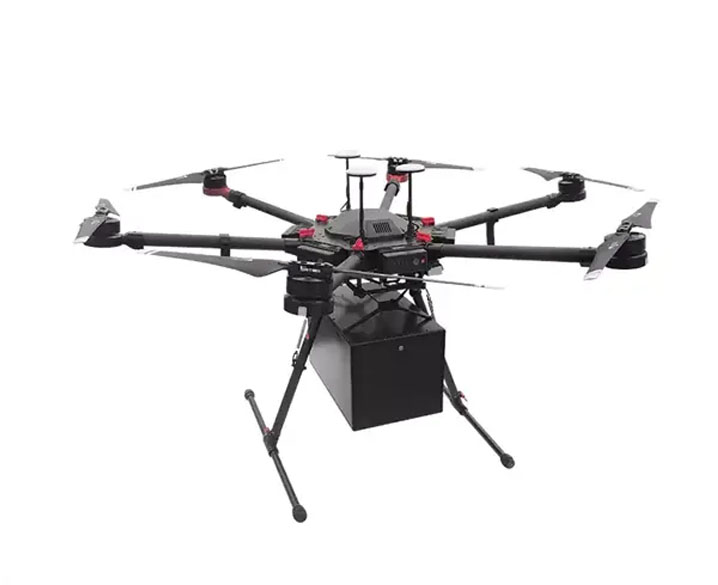
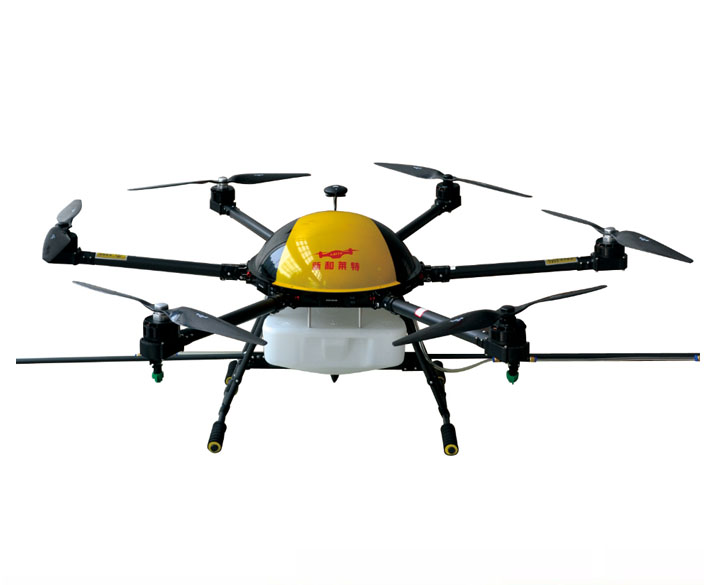
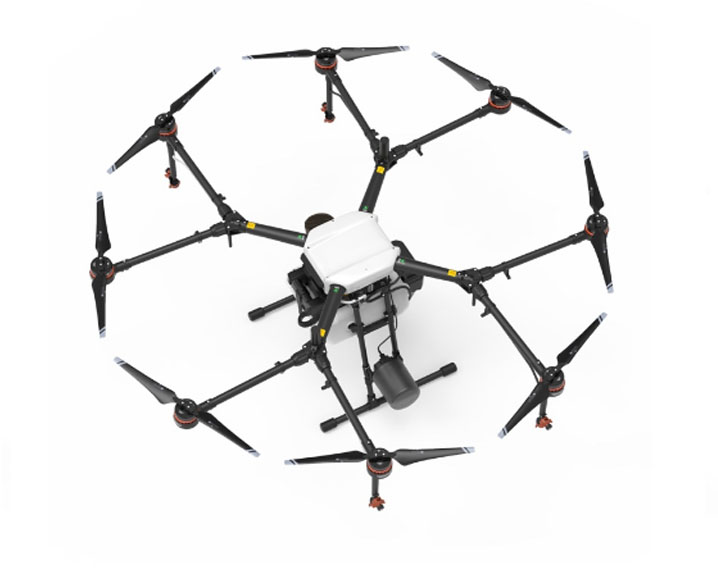
Adopting a regular hexagonal symmetrical layout to further enhance the redundant design. Each axis is equipped with a dual motor and dual blade structure. Even if the dual motors of a single axis fail at the same time, the remaining five axes can still maintain the drone's stable flight and complete an emergency landing. Verified through advanced dynamics simulation and wind tunnel testing, under extreme working conditions, the roll angle of the drone is ≤4° and the pitch angle is ≤2.5°, far exceeding the requirements of ISO 2382-16 mechanical safety standards. At the same time, each power module is equipped with an independent triple redundant power supply system to ensure stable and reliable power supply.
(2) Extremely improved aerodynamic efficiency
The "pull-up" double-layer rotor layout is optimized, and the wheelbase is increased to 1.8 meters. Through CFD (computational fluid dynamics) simulation, the inter-layer spacing and rotor angle are accurately adjusted to reduce rotor downwash interference, and the aerodynamic efficiency is increased by another 20%.
The fuselage adopts a streamlined wing-body fusion design, with a large-area lifting airfoil in the middle. At a cruising speed of 20m/s, it can provide 50kg of additional lift, significantly reducing rotor power consumption.
The landing gear adopts a folding high-strength carbon fiber structure and integrates an efficient aerodynamic fairing. It unfolds during the take-off and landing phases to form a perfect aerodynamic shape, reducing the drag coefficient of the entire machine by 18%.
(3) High-strength and lightweight structural design
The fuselage frame uses new ultra-high-strength carbon fiber composite materials, combined with topology optimization design, to significantly reduce weight while ensuring structural strength. Key load-bearing components, such as motor brackets, mounting points, etc., are manufactured using titanium alloy 3D printing technology. They have the characteristics of high strength and high toughness, ensuring that they can withstand the huge stress caused by a load of 150KG. The structural weight of the entire machine is reduced by 12% compared with the traditional design, further improving the load-to-weight ratio.
3. Intelligent control and security
(1) Advanced flight control system
Equipped with a new generation of high-performance flight control computer, the computing power is increased by 3 times. Fusion of multi-source sensor data, including high-precision GPS, lidar, visual sensors, millimeter-wave radar, etc., to achieve centimeter-level positioning and environmental awareness. It has a fully automatic autonomous flight function and can automatically complete the entire process of takeoff, cruise, operation, and landing according to the preset route and mission requirements. At the same time, it supports seamless switching between manual remote control and autonomous flight modes to meet the needs of different scenarios.
(2) Comprehensive security system
Anti-collision and obstacle avoidance system : Equipped with multiple sets of lidar and visual sensors to build a 360° stereoscopic perception network, the detection range can be up to 100 meters. Through AI image recognition and obstacle avoidance algorithms, it can quickly identify obstacles and automatically plan safe routes to achieve intelligent obstacle avoidance.
emergency handling system : Equipped with a redundant flight control system and a backup power system. When the main system fails, it can switch to the backup system within 0.5 seconds to ensure flight safety. At the same time, it is equipped with an emergency parachute device, which can be automatically triggered in extreme circumstances to ensure the safe landing of the drone and cargo.
Data link guarantee : Use dual redundant data links, including 4G/5G communication and dedicated wireless data links, to ensure stable communication between the ground control station and the drone. Supports beyond-line-of-sight remote control, with a control distance of up to 50 kilometers, meeting the needs of complex operating scenarios.
4. Application scenario expansion
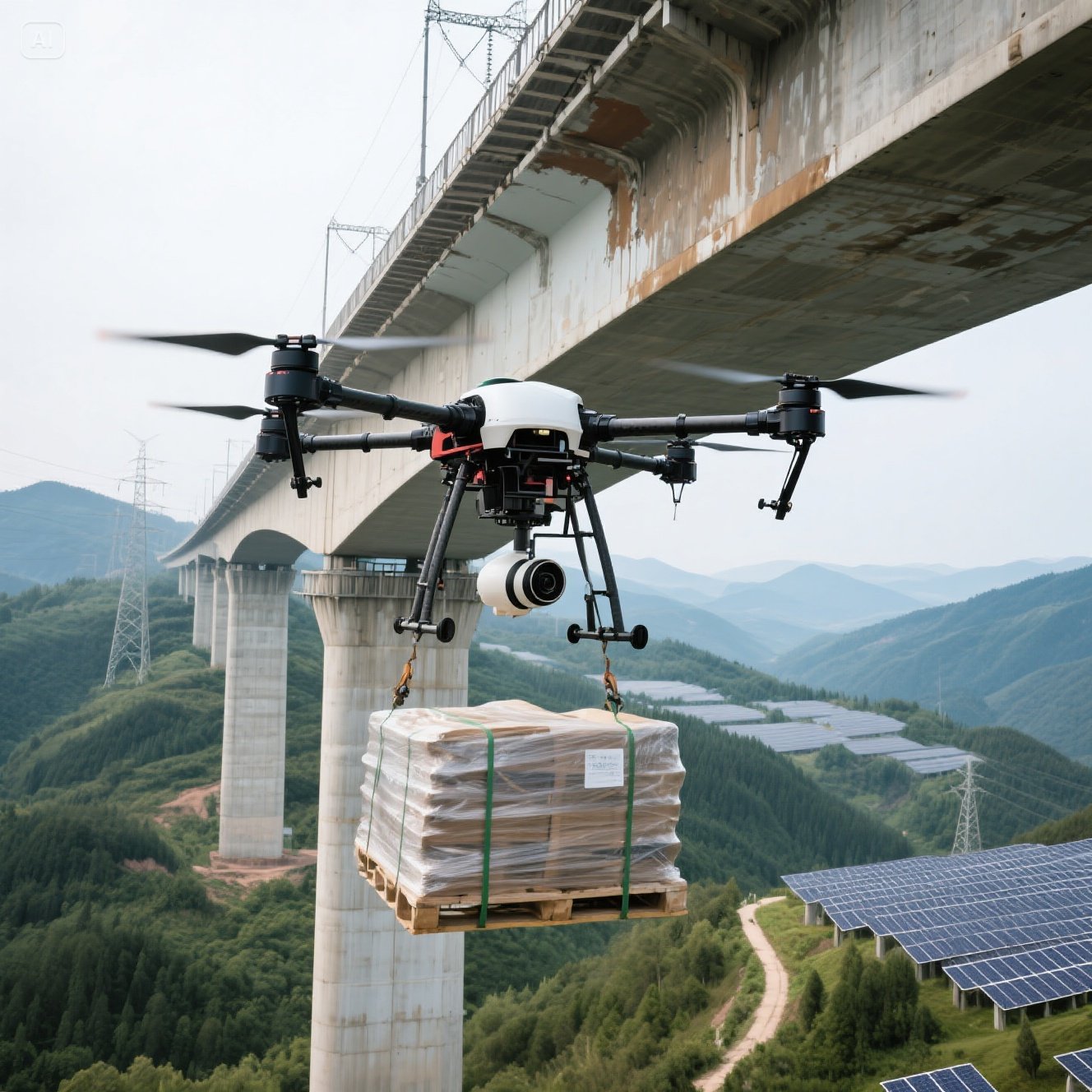
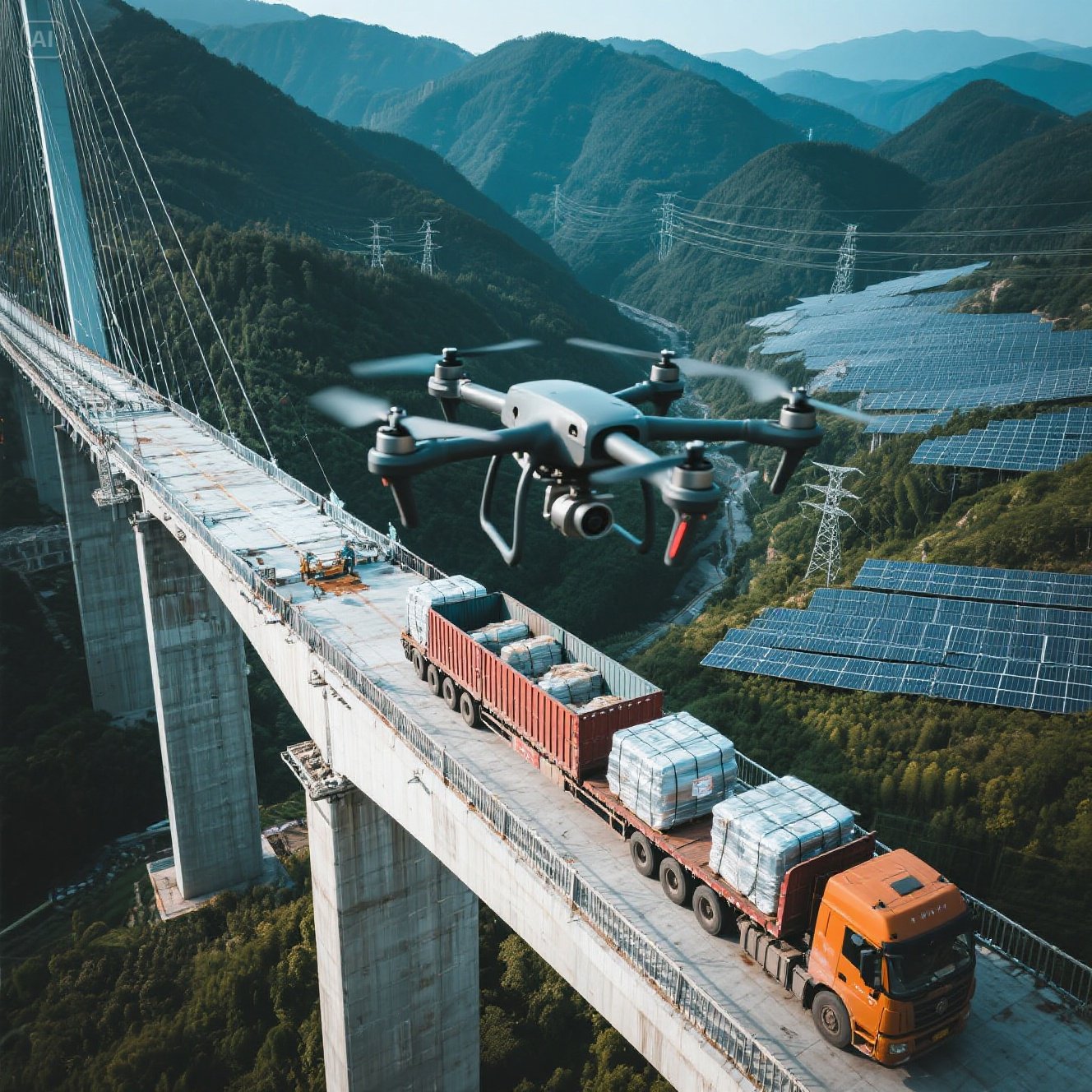
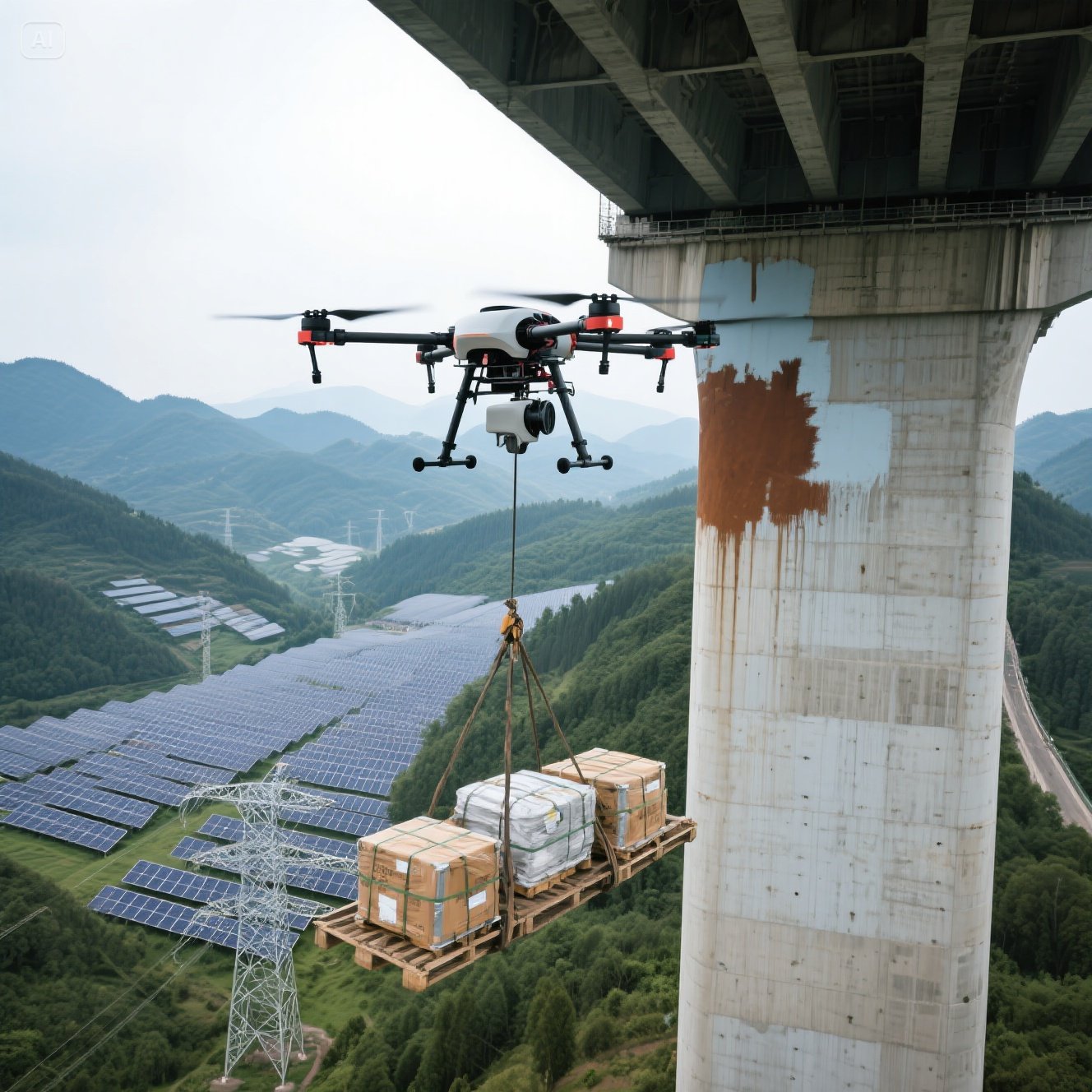
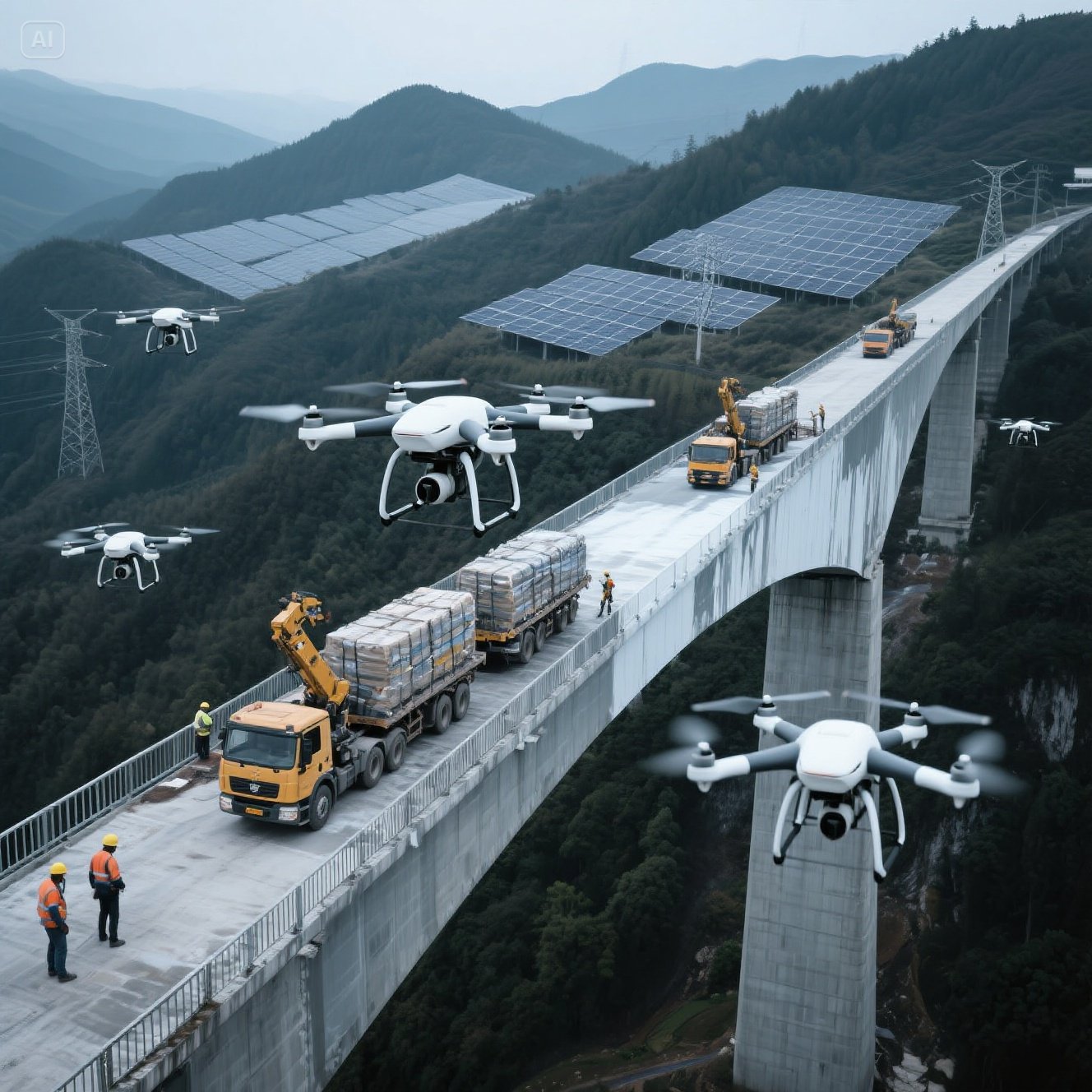
Large project construction : In large-scale projects such as bridge construction and wind power installation, it can lift construction materials and equipment components weighing up to 150KG and deliver them to designated locations quickly and accurately, improving construction efficiency and reducing labor costs and safety risks.
Energy transportation : Used in energy fields such as oil and natural gas, transportation pipeline testing equipment, maintenance tools and other materials play an important role in areas with complex terrain and inconvenient transportation to ensure the normal operation of energy facilities.
emergency rescue : When a major natural disaster occurs, a large amount of relief materials, such as food, medicine, medical equipment, etc., can be quickly transported to provide timely assistance to the affected people. At the same time, it is equipped with high-definition camera equipment and life detectors to perform disaster reconnaissance and personnel search and rescue missions.
forestry protection : Carry a large amount of pesticides, seeds and other materials to carry out pest control and tree planting operations in large areas of forest to improve forestry protection efficiency and help ecological protection.
This 150KG 6-axis powerful drone design has achieved strong load capacity and stable flight performance through power system upgrades, structural optimization, intelligent control and other innovations. It can meet the operational needs of a variety of complex scenarios and bring new breakthroughs to industrial drone applications.