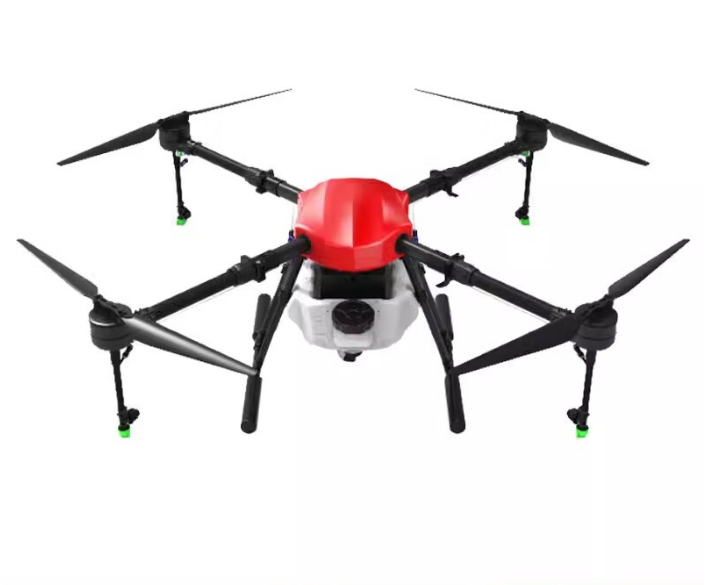
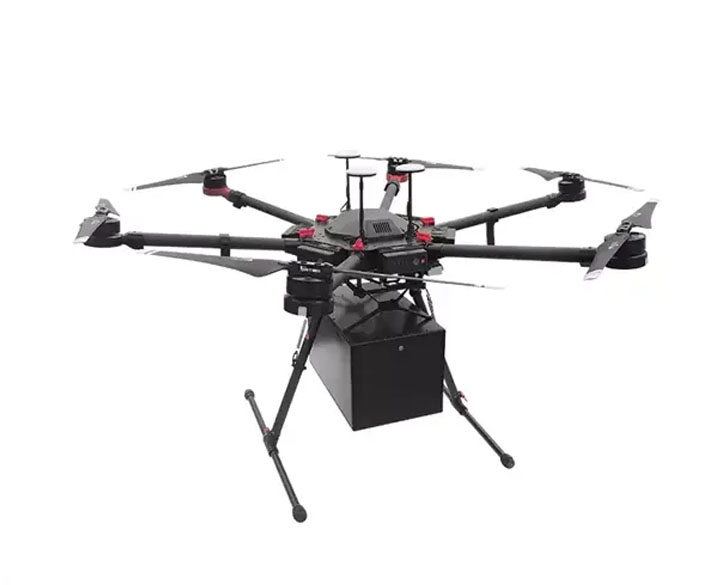
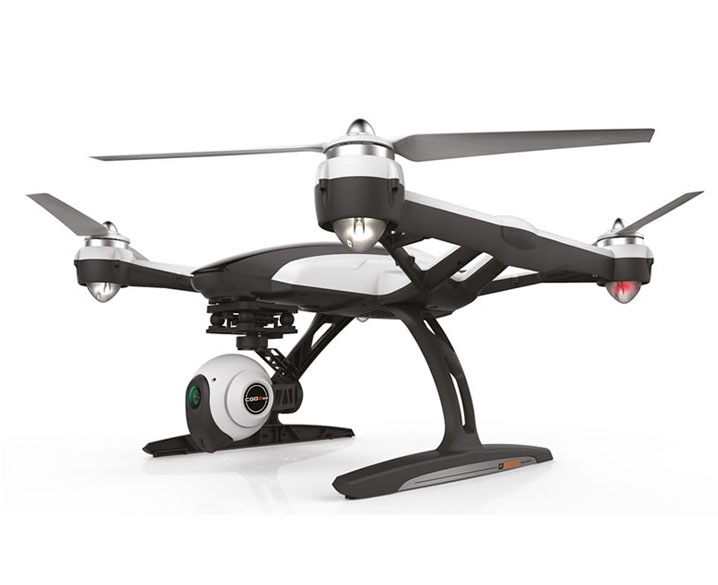
Gas-electric hybrid long-endurance fire inspection drone solution
Fire inspections are faced with complex scenes, urgent tasks, and environmental hazards, which place stringent requirements on the endurance and professional firefighting functions of drones. This solution is based on gasoline-electric hybrid technology. While ensuring ultra-long battery life, this solution also deeply customizes exclusive fire patrol functions to help the fire department achieve efficient and safe fire monitoring and rescue command.
1. Enhanced version of petrol-electric hybrid power system
(1) Power structure upgrade
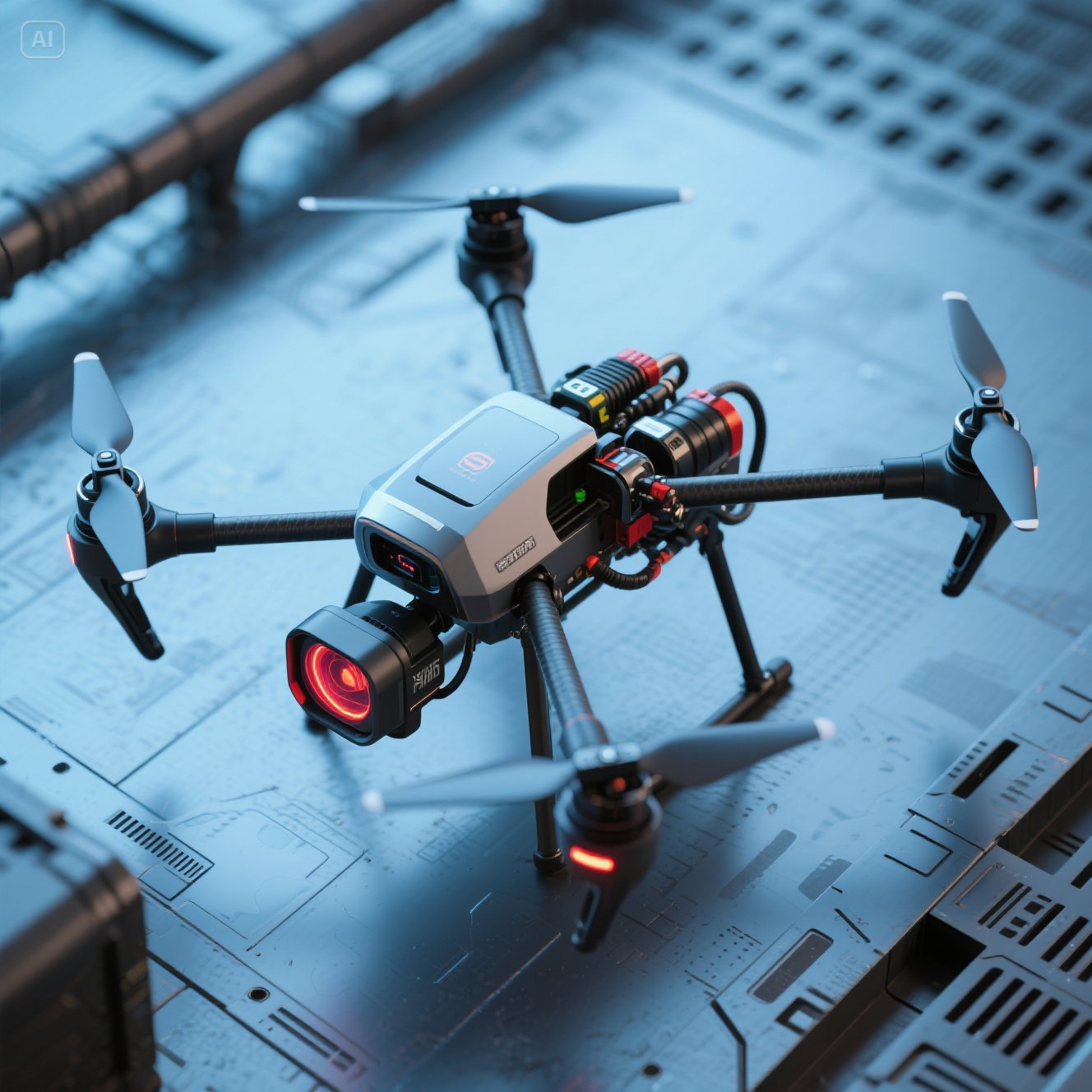
use Enhanced intelligent series hybrid system , the aviation heavy fuel engine was upgraded to a 6-stroke turbocharged model, the maximum power was increased to 200kW, and the power generation efficiency was increased by 15%, ensuring stable power supply under complex weather conditions and high load conditions. The lithium battery pack uses special ternary lithium batteries that are resistant to high temperatures and have high charge and discharge rates. The capacity is expanded to 250Ah and the instantaneous discharge rate reaches 20C to meet the power surge demand in fire emergency scenarios. The intelligent energy management system has added a "fire emergency mode". When detecting fire characteristic signals such as high temperature and thick smoke, it will automatically increase the engine power and give priority to ensuring the power supply of core equipment.
(2) Extreme environment adaptation optimization
High temperature protection design : The engine compartment adopts a double-layer heat insulation structure. The inner layer is sprayed with nano-scale heat insulation coating, and the outer layer is equipped with heat dissipation fins and a forced air cooling system, which can continue to operate in a high temperature environment of 80°C. The battery pack is equipped with an active liquid cooling circulation system. The coolant quickly takes away heat through high-temperature resistant pipes to ensure that the battery operating temperature is maintained in the safe range of - 20°C - 60°C.
Weather resistance : The propeller adopts anti-icing coating technology and can automatically de-ice through the built-in heating wire in low-temperature rain and snow environments.; The seams of the fuselage are fully sealed, and a waterproof and breathable valve is used to balance the internal and external air pressure. It can withstand level 6 winds and heavy rains and ensure flight stability.
2. Ultra-long battery life and deep guarantee
(1) Energy system advancement
Fuel optimization configuration : The fuel tank volume has been increased to 100L and is made of lightweight and high-strength composite materials to reduce its own weight while ensuring capacity. The fuel injection system is optimized and high-pressure common rail technology is adopted to achieve more complete fuel atomization, increase combustion efficiency by 12%, and extend the cruising range to 400 kilometers.
Breakthrough in battery performance : The introduction of graphene composite electrode technology enables the energy density of lithium batteries to reach 300Wh/kg, which is 40% higher than traditional batteries. The battery pack supports fast charging and can be charged to 80% power in 30 minutes. With portable mobile charging equipment, it can achieve repeated operations in a short time.
(2) Aerodynamic performance optimization
Variable airfoil design : The wing adopts an intelligent variable airfoil structure. Through the hydraulic drive device, it can automatically adjust the airfoil angle and radian in different mission modes such as cruise, reconnaissance, and emergency. Maintain low-drag airfoil during cruising to reduce energy consumption ; During reconnaissance, the airfoil camber is increased to increase lift and support stable hovering at low speeds.
Bionic drag reduction shape : The fuselage draws on the flying posture of birds and adopts a streamlined bionic design to reduce the generation of air vortices. A foldable tail wing is installed on the tail of the aircraft, which can be unfolded during flight to increase stability and folded during landing to reduce space occupation, further optimizing aerodynamic efficiency.
3. Professional fire inspection system
(1) Fire-fighting special sensing equipment
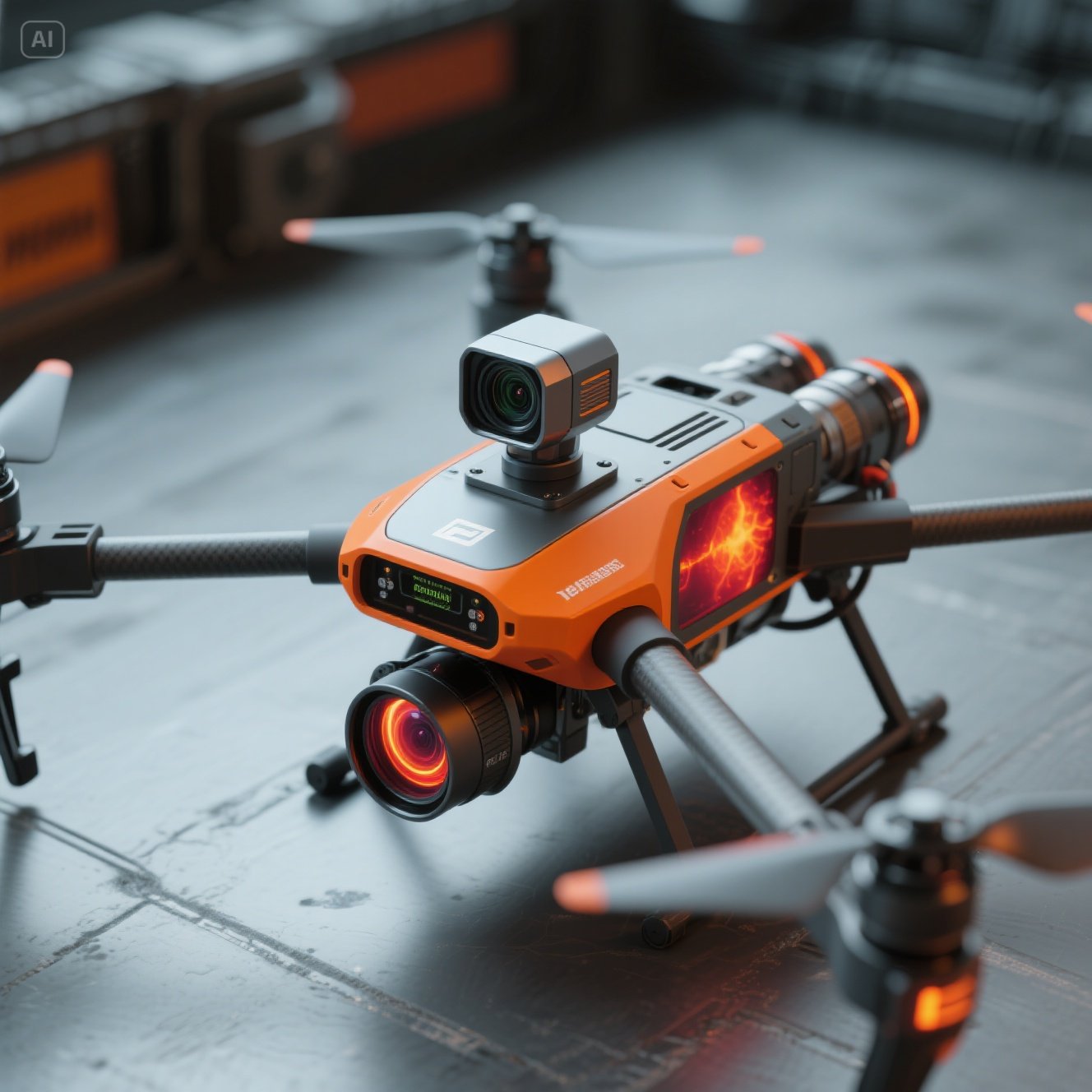
Infrared thermal imaging matrix : Equipped with an 8×8 element infrared thermal imaging detector array, the detection resolution reaches 1280×1024, the temperature measurement range is - 20℃ - 1200℃, and the temperature measurement accuracy is ±2℃. It has a "hot spot tracking" function that can automatically lock the location of high-temperature fire sources and generate heat distribution maps to help firefighters grasp the direction of fire spread.
Toxic gas detector : Integrated with a variety of gas sensors, it can detect the concentration of more than 10 toxic and harmful gases such as carbon monoxide, hydrogen sulfide, and chlorine in real time. The detection data is linked with the GIS map to visually display the distribution of dangerous areas on the ground control terminal and plan safe routes for rescuers.
HD night vision camera : Equipped with a starlight-level night vision camera, it can still capture clear color images in an extremely low illumination environment of 0.001lux. Equipped with laser fill light with an illumination distance of up to 500 meters, ensuring that fire details are clearly visible at night.
(2) Fire intelligent operation function
Intelligent fire warning : Built-in deep learning fire recognition algorithm, which can automatically distinguish fire smoke from ordinary smoke, flames and lights, with a recognition accuracy of 98%. Once a fire is discovered, an alarm is immediately sent to the ground control center and key information such as fire source coordinates and fire size are simultaneously transmitted.
Emergency supplies dumping : Equipped with a modular material throwing device, it can carry fire extinguishers, life ropes, first aid kits and other rescue materials, with a load capacity of up to 30kg. Through the high-precision positioning system and intelligent delivery algorithm, materials can be delivered accurately at fixed points, with an error range controlled within ±1 meter.
On-site command assistance : Equipped with a 360° panoramic camera system, which can transmit high-definition live images in real time and support VR panoramic display. Ground commanders can "visit" the scene through a virtual perspective to conduct remote command and dispatch to improve the efficiency of rescue decision-making.
4. Expansion of fire protection application scenarios
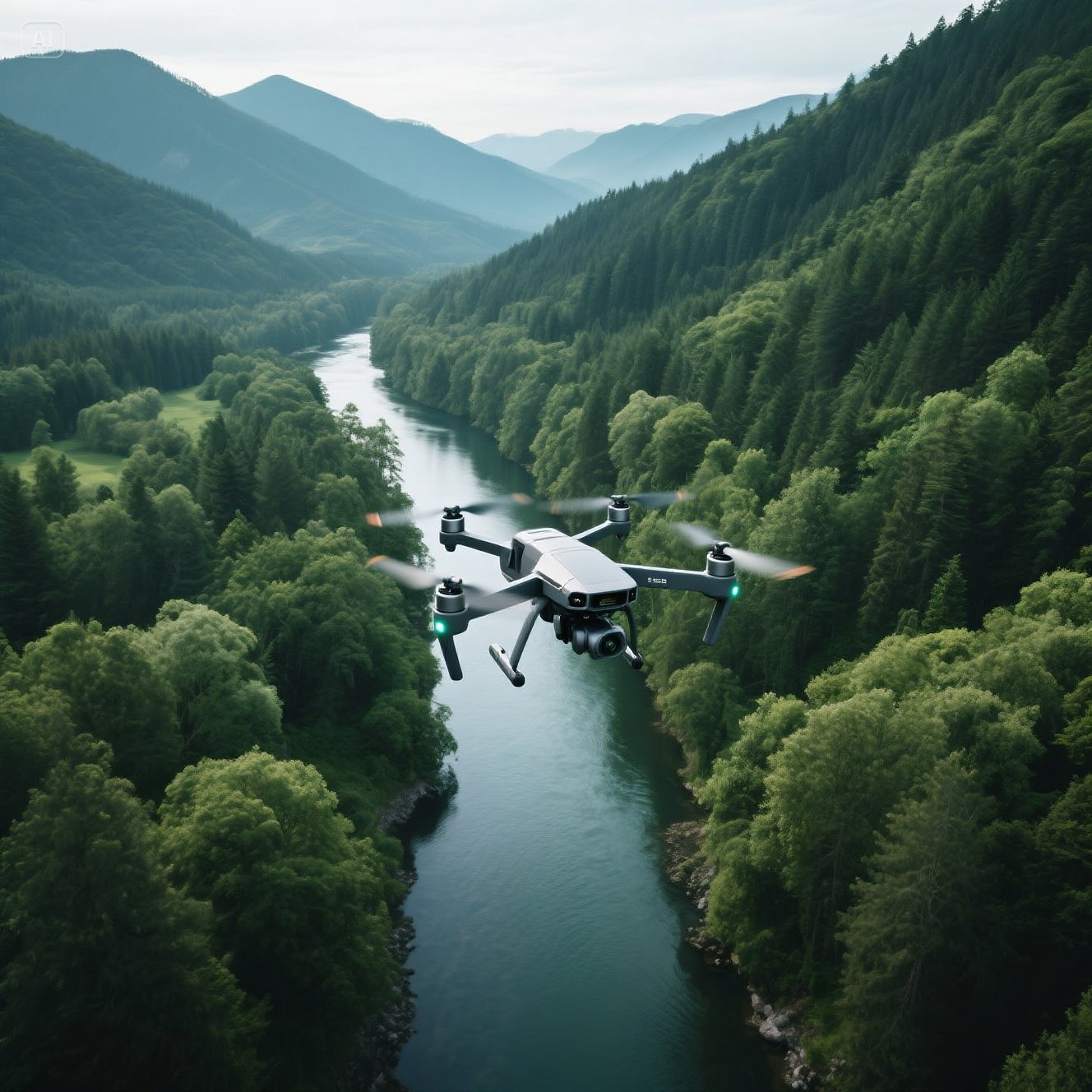
Fire prevention inspection : Conduct daily inspections of key areas such as industrial parks, high-rise buildings, and forests, and use gas detection and thermal imaging equipment to detect fire hazards such as overheating of electrical lines and accumulation of flammable materials in advance to achieve "nip in the bud."
Fire scene investigation : When a fire breaks out, it quickly flies to the scene and transmits fire information in real time to help the fire command department formulate scientific rescue plans and prevent rescuers from blindly entering dangerous areas.
Post-disaster assessment work : After the fire is extinguished, conduct a comprehensive inspection of the disaster-stricken area, use infrared thermal imaging and high-definition camera equipment to check for remaining fire hazards, assess the degree of building damage, and provide data support for subsequent rescue and reconstruction work.