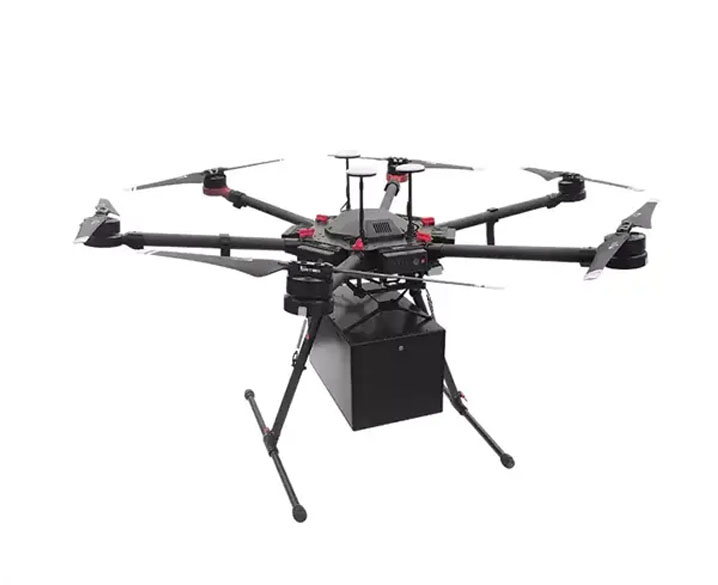
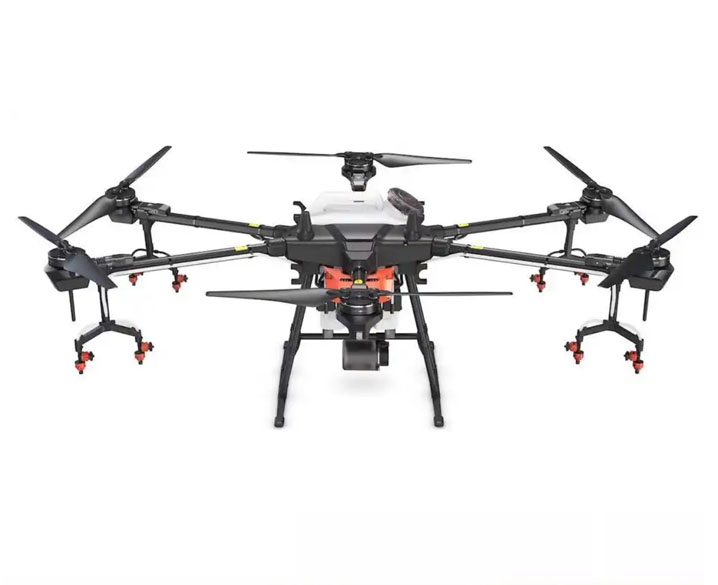
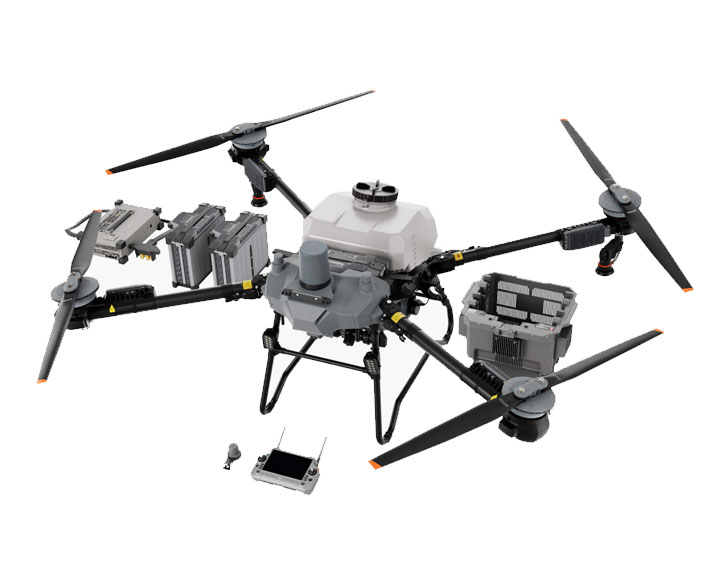
Long endurance and strong power electric wired drone solution
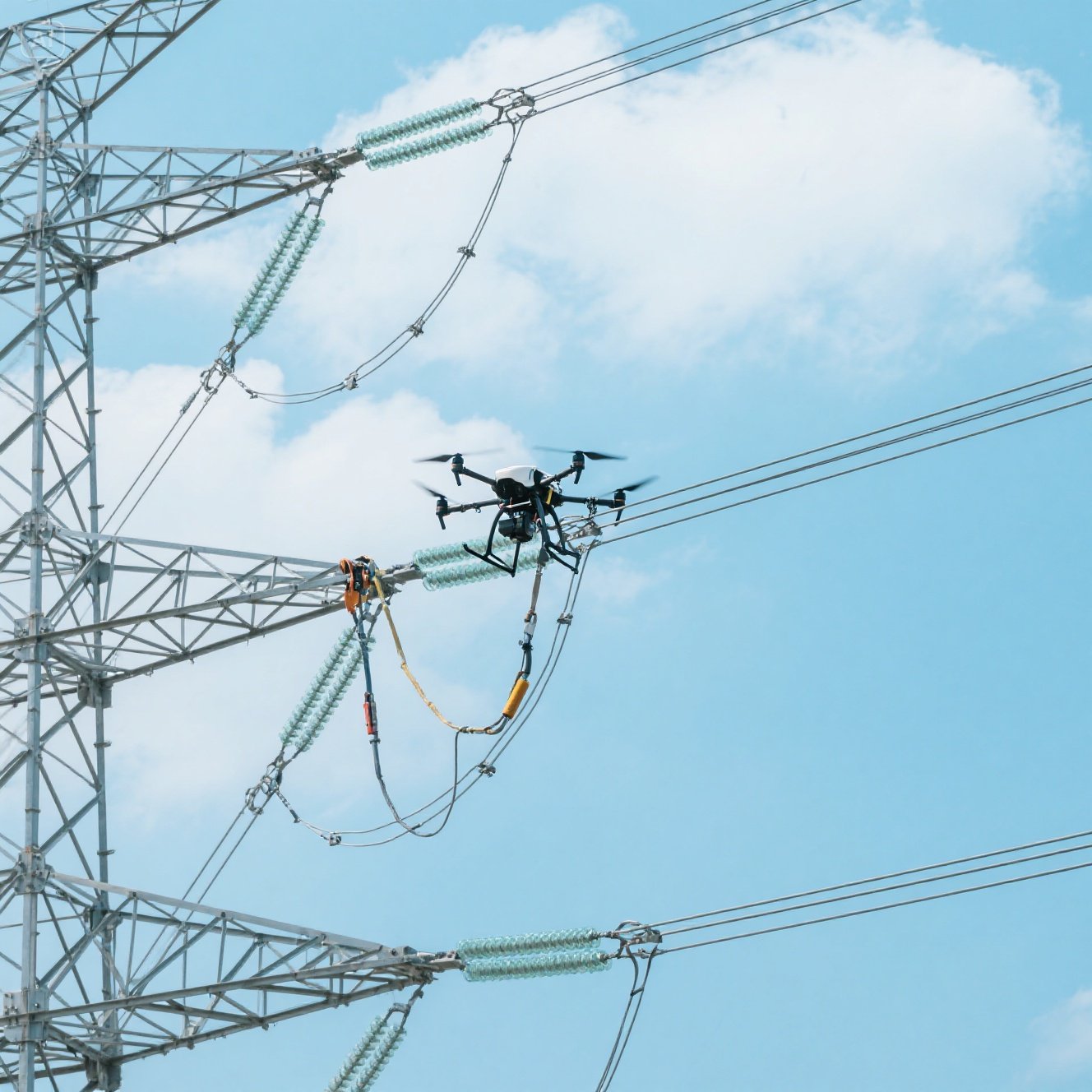
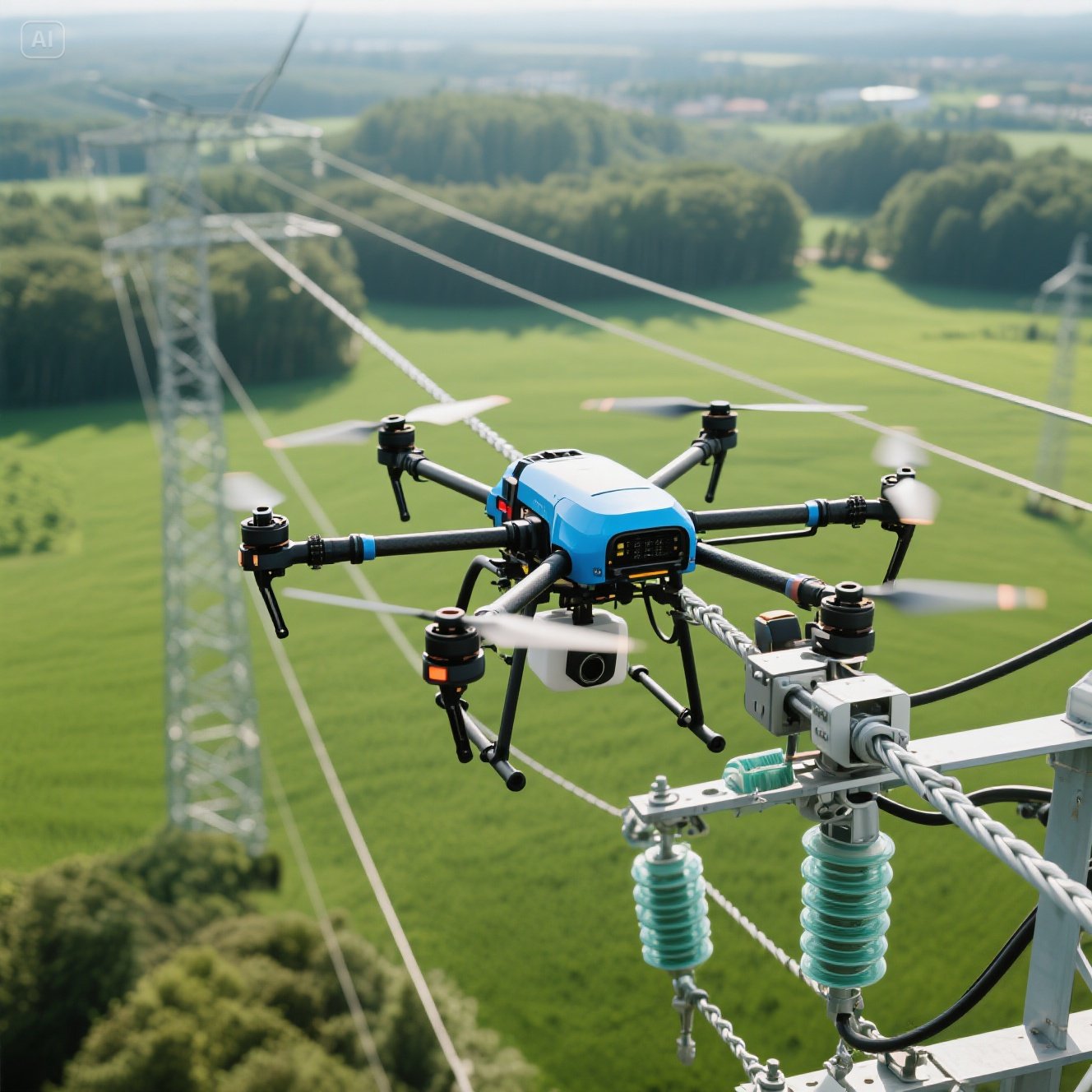
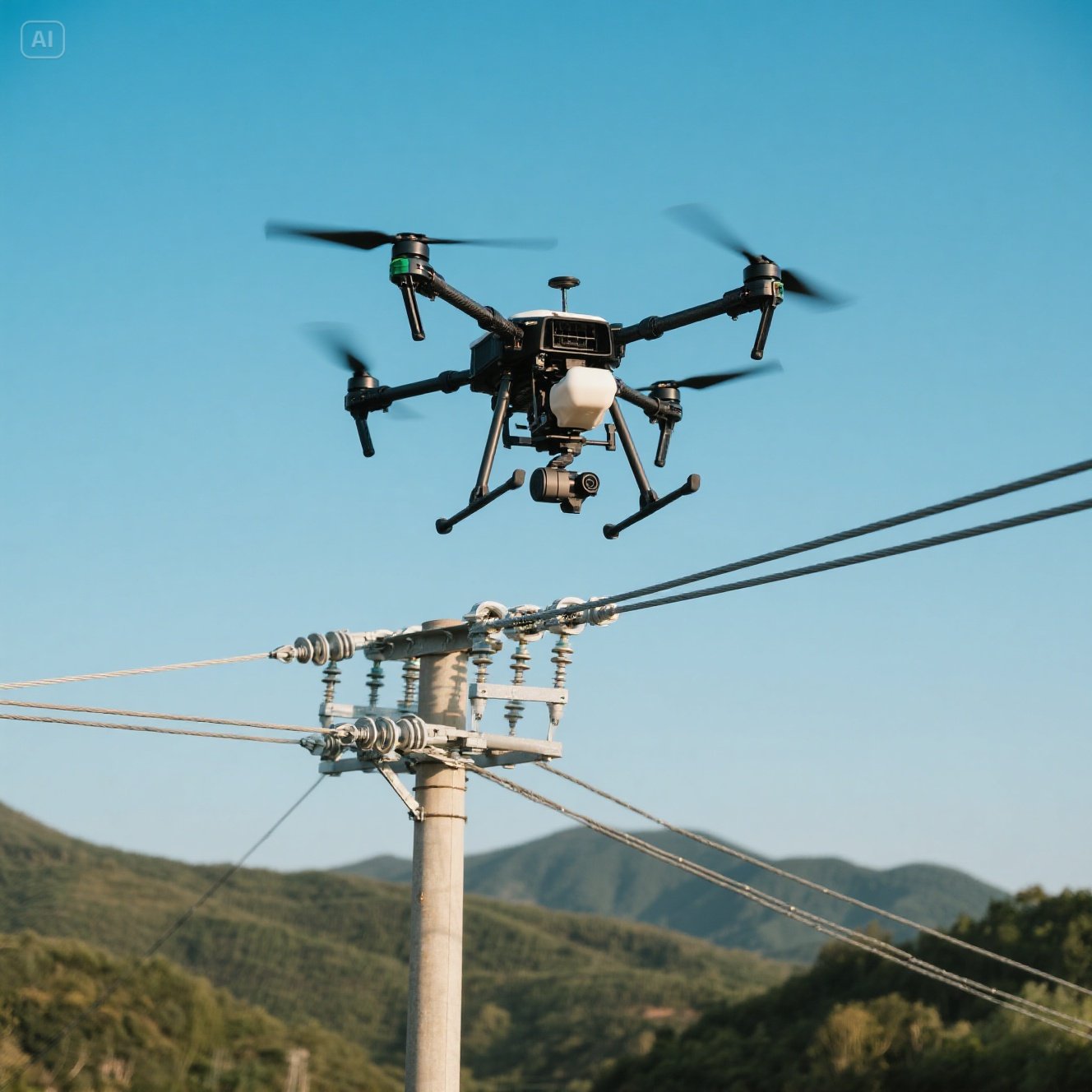
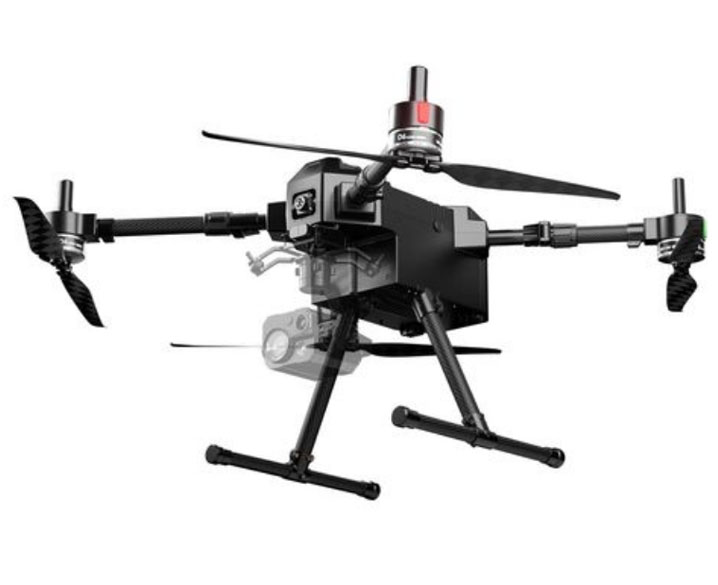
In the construction of power infrastructure, efficient and safe wiring operations are crucial. Faced with complex terrain and long-distance power transmission needs, traditional wiring methods are inefficient and risky. The emergence of long-range and powerful power-wiring drones has effectively solved these problems and has become a key equipment to promote the construction of power projects.
1. Super power system
(1) Hybrid innovative architecture
It adopts an advanced intelligent series petrol-electric hybrid system, combining an aviation-grade heavy fuel engine with a high-performance lithium battery pack. The engine adopts a 4-stroke turbocharged model with a maximum power of 150kW. It has excellent fuel economy and stability and provides continuous power for long-term flights. ; The lithium battery pack has a capacity of 200Ah and can be charged and discharged quickly, providing additional power support during takeoff, acceleration and handling complex working conditions. The intelligent energy management system can accurately regulate engine power generation and battery output based on flight status and load conditions to achieve efficient energy utilization. For example, during long-distance cruising, the engine generates electricity efficiently at low speeds to maintain flight and charge the battery. ; When crossing complex terrain or performing delicate wiring operations, the battery quickly replenishes power to ensure smooth flight.
(2) Strengthening and upgrading of power unit
High power motor : Customized high-torque external rotor brushless motor with stator diameter 180mm, rated power 10kW, weight 3.5kg, and power density up to 2.86kW/kg. The motor adopts advanced permanent magnet materials and optimized winding design, which has the characteristics of high efficiency, low noise and high reliability, ensuring stable operation under high load.
Extra large diameter propeller : Equipped with 1.8-meter-diameter carbon fiber composite propellers and a bionic airfoil design to increase the lift coefficient. The blade surface has been specially treated to enhance its anti-wear and anti-corrosion properties. Through the electric pitch-changing mechanism, the propeller pitch can be adjusted in real time during flight to optimize power output and adapt to the needs of different flight stages.
Intelligent vector ESC : Integrated high-precision sensor, the response speed is increased to 0.08 seconds, and the motor speed and steering can be accurately controlled. It supports multi-motor collaborative control to ensure that the six-axis power output synchronization error is <8%, ensuring the drone's flight attitude is stable in complex airflow environments.
2. Super long battery life guarantee
(1) Energy system optimization
Large capacity fuel reserve : Designed with a streamlined built-in fuel tank, the volume has been expanded to 100L. It is made of high-strength lightweight composite materials to ensure fuel storage while reducing the weight of the fuselage. The fuel injection and combustion system is optimized, and high-pressure common rail technology is used to make the fuel atomized more fully, the combustion efficiency is increased by 15%, and the cruising range can reach 600 kilometers.
High performance battery upgrade : Lithium batteries using graphene composite electrode technology have an energy density increased to 300Wh/kg, which is 35% higher than traditional lithium batteries. The battery pack is equipped with an intelligent temperature control system, which uses liquid cooling circulation and heating elements to ensure that the battery operates normally at ambient temperatures of -20°C - 60°C, extending battery life and endurance. It supports fast charging and can be charged to 80% power in 40 minutes to meet emergency operation needs.
(2) Aerodynamic design optimization
Large aspect ratio wing : Using a large aspect ratio wing with a wingspan of 10 meters, the lift-to-drag ratio is as high as 22, which effectively reduces flight resistance and reduces power consumption. The wings adopt a foldable design for easy transportation and storage. After unfolding, a high-strength locking device ensures flight stability. Flaps and ailerons are installed on the leading and trailing edges of the wing to adjust the lift and drag of the wing at different stages of flight to improve flight performance.
Bionic shape design : The fuselage imitates the streamlined contours of birds to reduce air resistance.; The tail is equipped with adjustable angle horizontal tail and vertical tail to maintain the best aerodynamic attitude during cruising and reduce energy consumption. ; When flying at low altitude or hovering, the tail angle can be adjusted to enhance stability. The surface of the fuselage is smoothed to eliminate unnecessary bulges and gaps to further improve aerodynamic performance.
3. Professional functions of power wiring
(1) Precision traction system
High strength traction rope : Equipped with ultra-high molecular weight polyethylene traction rope with a diameter of 6mm, tensile strength of 10000N, light weight and wear-resistant. The traction rope storage device adopts an automatic cable arrangement design to ensure smooth release and recovery of the traction rope and avoid entanglement and knotting.
High-precision delivery device : It adopts an electrically controlled traction rope delivery device, which can accurately control the delivery speed and position. Through the high-precision positioning system and sensors, the delivery parameters can be adjusted in real time during the flight to ensure that the traction rope accurately lands at the designated pole position, and the error range is controlled within ±0.5 meters.
(2) Intelligent obstacle avoidance and navigation
360° obstacle avoidance system : Equipped with multiple sets of lidar and visual sensors to build a 360° omnidirectional sensing network, the detection range can reach up to 150 meters. Through AI image recognition and obstacle avoidance algorithms, it can quickly identify obstacles such as transmission lines, towers, and trees, and automatically plan safe routes to achieve intelligent obstacle avoidance and ensure flight safety.
High-precision navigation system : Integrating GPS, GLONASS, and Beidou satellite navigation systems, combined with inertial navigation and ground base station differential positioning technology, to achieve centimeter-level positioning accuracy. It supports independent route planning and dynamic adjustment. It can automatically generate the optimal wiring route according to the direction of the transmission line and the position of the tower, and correct the route in real time according to the actual situation during the flight.
(3) Operation monitoring and data transmission
High-definition camera and monitoring equipment : Equipped with a 4K high-definition camera and an infrared thermal imager, it can capture wiring operation pictures and pole and line temperature data in real time. The camera supports 30x optical zoom and autofocus functions, which can clearly capture the status of fine components. ; Infrared thermal imaging cameras can detect line hot spots and detect potential faults in advance.
Real-time data transmission : Adopting dual links of 4G/5G communication and satellite communication to ensure that operation data can be transmitted to the ground control center in real time and stably under different network environments. Supports high-definition video streaming, flight parameters, traction rope status and other types of data transmission to facilitate remote monitoring and command operations by ground personnel.
4. Application scenario expansion
Construction of transmission lines in mountainous areas : In mountainous areas with complex terrain and inconvenient transportation, drones can easily fly over peaks and canyons and quickly complete the erection of traction ropes, greatly shortening the construction cycle and reducing labor costs and safety risks.
Cross-river and cross-sea power transmission projects : For special environments such as crossing rivers and seas, long-range and powerful drones can carry traction ropes across long distances at one time, avoiding the problem of traditional wiring methods being restricted by water areas and improving construction efficiency.
Urban power grid transformation : In the urban environment, drones can flexibly shuttle between dense buildings and power facilities, accurately complete the delivery of traction ropes, reduce the impact on urban traffic and residents' lives, and efficiently promote the transformation and upgrading of the power grid.
Emergency power repair : When power lines suffer from natural disasters or sudden failures, drones can quickly fly to the scene with emergency repair materials and tools to provide material support for emergency repair personnel. At the same time, real-time monitoring provides a basis for emergency repair decisions, speeds up repair progress, and restores power supply.