Design plan for long cruise of electric powered drone
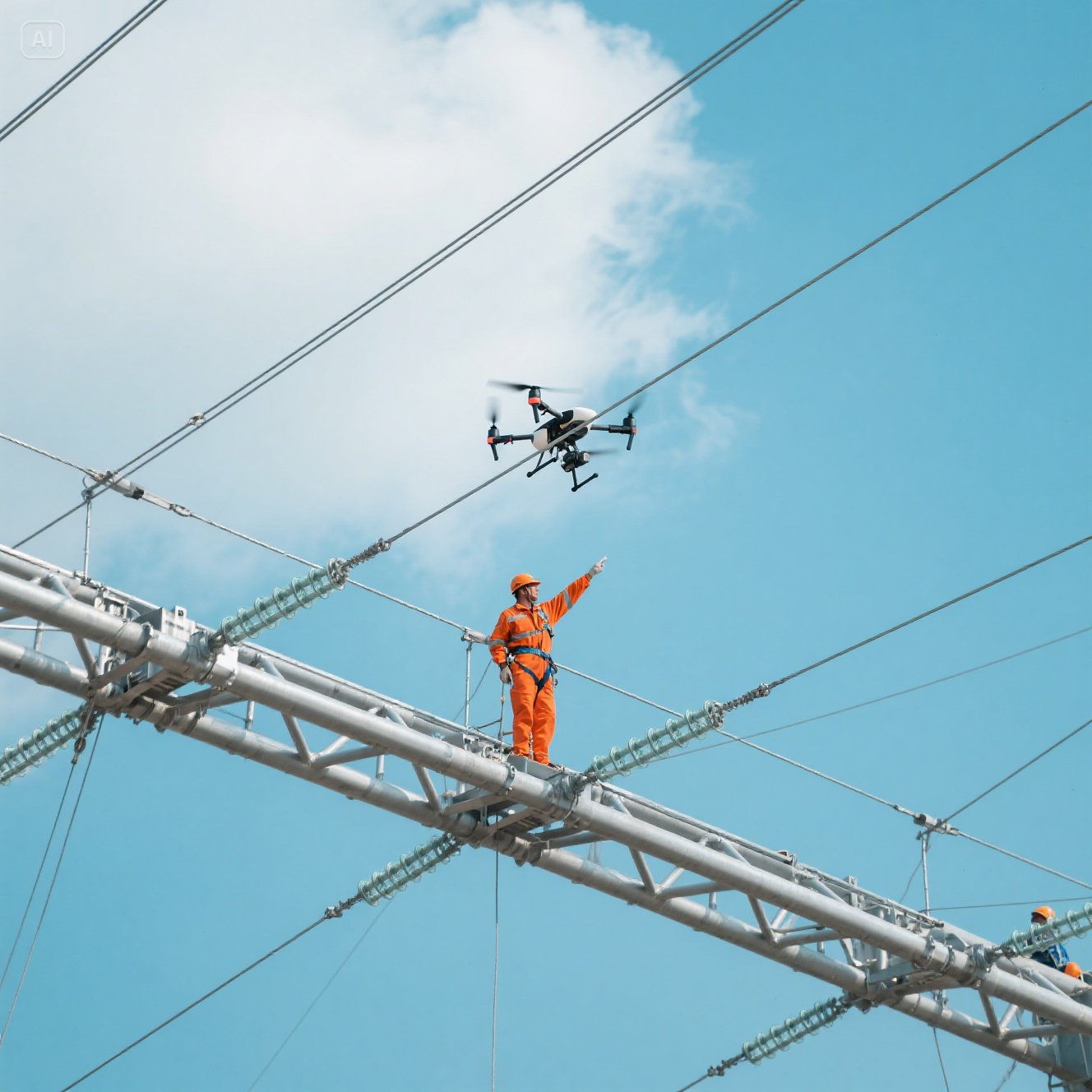
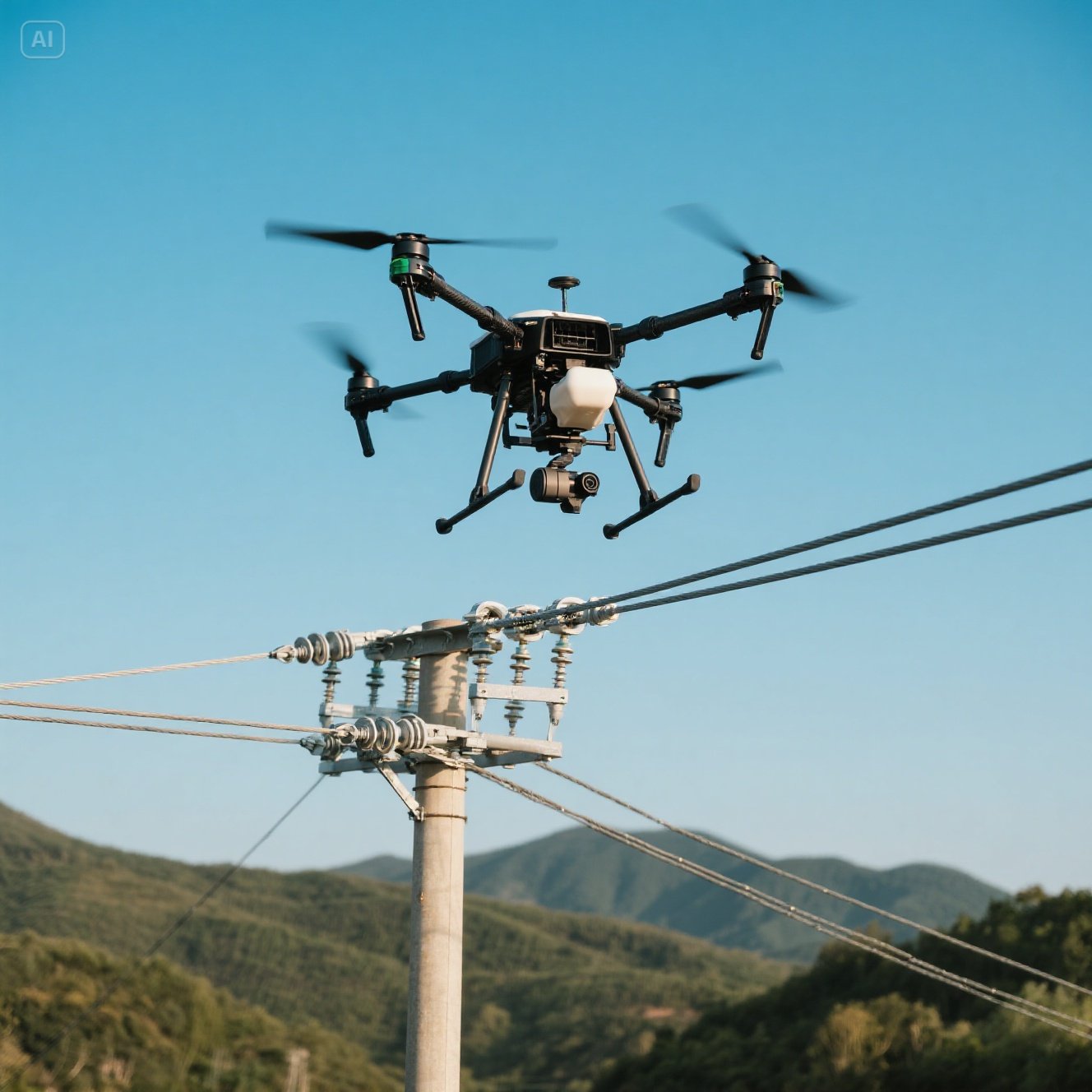
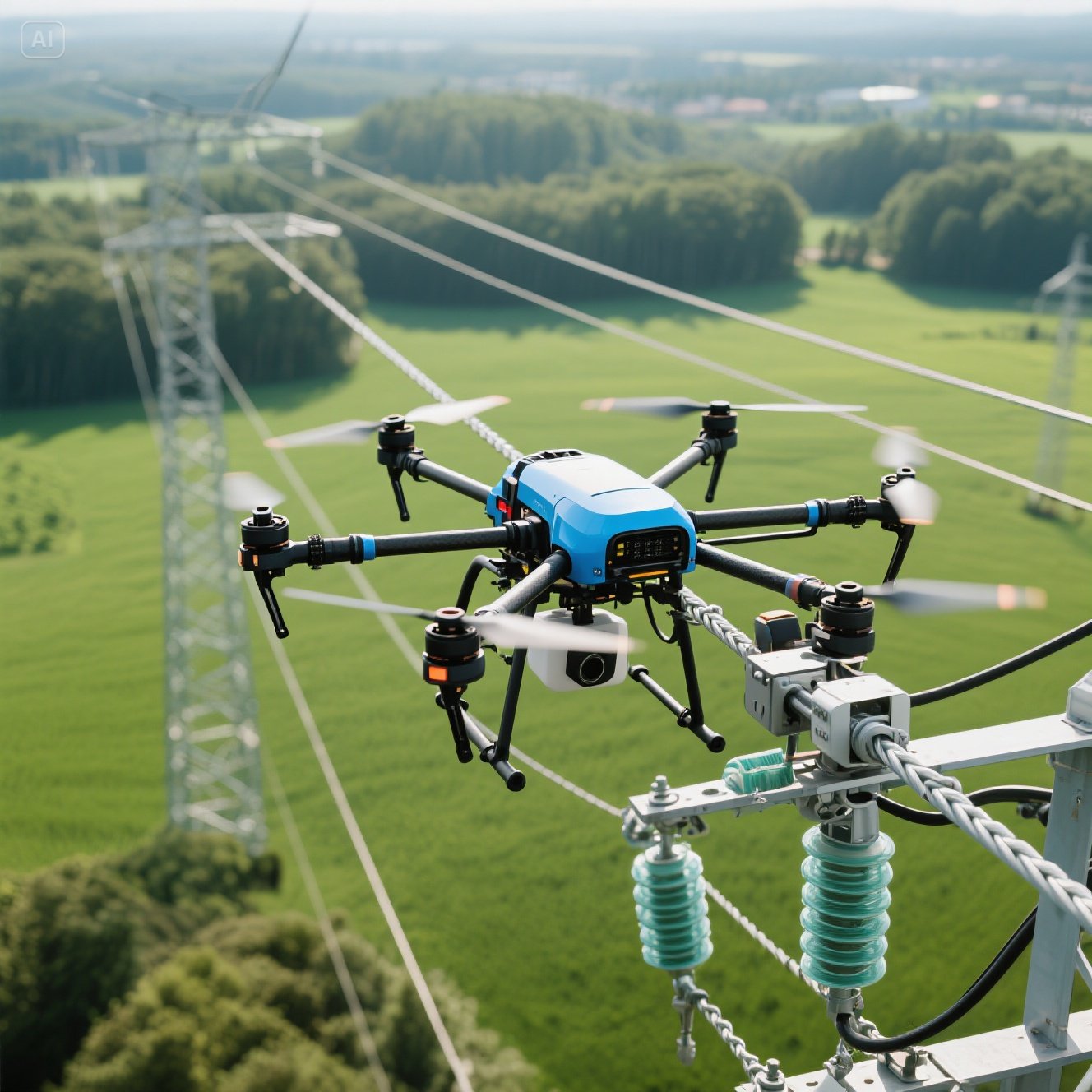
In the construction and maintenance of power projects, the long-term cruising capability of drones is the key to ensuring efficient construction, operation and maintenance of transmission lines. In order to meet the long-distance and long-duration flight requirements of power wiring and inspection operations, this plan is based on the original technology and focuses on core elements such as power, energy, and structure to deeply optimize the long-term cruise performance of power wiring drones.
1. High-efficiency power system upgrade
(1) Deep optimization of hybrid system
adopt new generation Intelligent series hybrid system , combining an aviation heavy fuel engine with a new lithium-sulfur battery pack. The engine adopts a 5-stroke turbocharged model. By optimizing the in-cylinder combustion and air intake efficiency, the maximum power is increased to 180kW, and the thermal efficiency reaches 42%, which is 8% higher than the traditional model, ensuring stable power output during long-term cruising. With the advantage of high energy density, the lithium-sulfur battery pack has an energy density of 400Wh/kg and a capacity expanded to 250Ah. It can quickly provide strong power support under emergency acceleration or high load conditions. The intelligent energy management system has a new AI prediction module, which can plan the collaborative working mode of the engine and battery in advance based on historical flight data and real-time weather conditions to reduce energy waste.
(2) Power unit innovation
Low resistance and high efficiency motor : Develop a new low-resistance external rotor brushless motor and use amorphous alloy materials to make the stator core to reduce iron loss.; Optimizing the winding structure reduces the internal resistance of the motor by 15%, increases the rated power to 12kW, and the power density reaches 3.4kW/kg. The motor is equipped with active magnetic bearings, which effectively reduces friction loss and improves the operating efficiency and life of the motor.
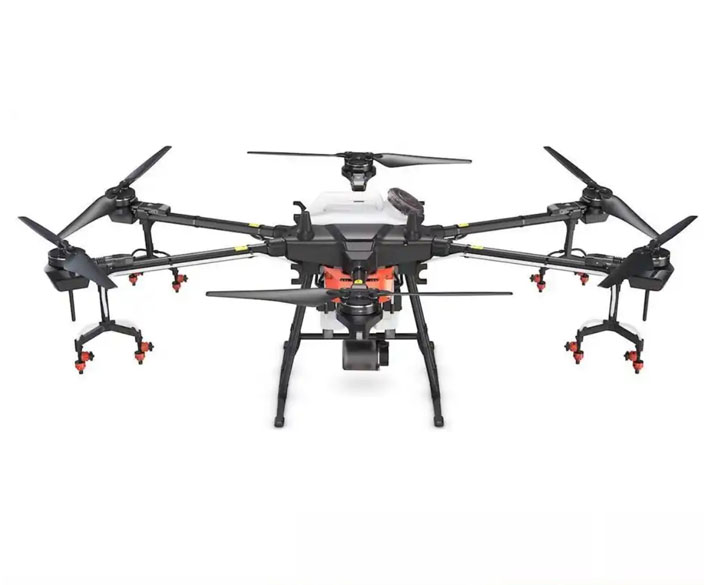
Adaptive propeller system : Equipped with 2-meter-diameter carbon fiber composite blades with built-in micro sensors and drive devices, it can automatically adjust the blade attack angle and twist angle in real time based on flight speed, altitude, load and other parameters. During the cruising phase, the propellers automatically adjust to a low-resistance configuration to reduce air resistance. ; In take-off and landing or in complex airflow environments, it can quickly switch to high-lift mode to ensure flight stability.
Ultra-sensitive ESC system : Adopting a new generation of digital intelligent ESC and integrating high-speed signal processing chip, the response speed is increased to 0.05 seconds. It has multi-motor collaborative control and fault-tolerant functions. When an abnormality occurs in one motor, the power output can be redistributed within 0.1 seconds to ensure that the drone's attitude is stable and the cruise operation is not affected.
2. Long-life energy security system
(1) Energy storage expansion and optimization
Dual fuel tank design : Adopting a main and auxiliary double fuel tank structure, the main fuel tank has a volume of 120L, the auxiliary fuel tank has a volume of 80L, and the total oil storage capacity reaches 200L. The fuel tank is made of lightweight and high-strength carbon fiber material, which increases the fuel storage capacity while only increasing the weight by 12%. Optimize the fuel pipeline layout and fuel pump performance to ensure stable and reliable fuel supply, and cooperate with the efficient combustion system to enable the drone's cruising range to exceed 800 kilometers.
Battery performance enhancement : The lithium-sulfur battery pack is equipped with an intelligent thermal management system. Through the dual heat dissipation technology of liquid cooling cycle and phase change materials, the battery operating temperature is accurately controlled within the optimal range of 20°C - 40°C, effectively improving battery charge and discharge efficiency and cycle life. It supports wireless fast charging technology. When it is stopped on the ground, the battery can be quickly replenished through a dedicated wireless charging device, and it can be charged to 70% in 30 minutes.
(2) Energy recovery and utilization
Pneumatic energy recovery : An aerodynamic energy recovery device is integrated into the design of the wings and tail. When the drone is in a sliding or decelerating state, the airflow pushes the recovery device to generate electrical energy, which is stored in the battery pack through a high-efficiency rectifier circuit. After testing, the device can recover 5% - 8% of flight energy during the descent phase of long-distance cruising.
Motor energy recovery : Optimize the motor control system. When the drone decelerates or hovers, the motor switches to power generation mode to convert excess kinetic energy into electrical energy to recharge the battery. The intelligent electric regulation system accurately controls the intensity of kinetic energy recovery to ensure that the flight stability of the drone is not affected and further extends the flight time.
3. Long cruise aerodynamic structure design
(1) Streamlined low-resistance body
The fuselage shape was redesigned, using a teardrop-shaped streamline design, and the fuselage surface was optimized through wind tunnel testing to reduce the wind resistance coefficient to 0.08. The surface of the fuselage is covered with a nano-scale drag-reducing coating to reduce the frictional resistance between the air and the fuselage. At the same time, the raised parts such as equipment interfaces and sensors on the surface of the fuselage are embedded in the design to make the surface of the fuselage smoother and flatter, further improving the aerodynamic performance.
(2) Variable airfoil wing
It adopts a variable airfoil wing design, and a hydraulic drive mechanism and intelligent control system are integrated inside the wing. During the cruise phase, the wings automatically adjust to a shape with a large aspect ratio and small airfoil thickness, reducing flight resistance and increasing the lift-to-drag ratio. ; When low-altitude hovering or fine wiring operations are required, the wing quickly deforms into a high-lift airfoil, increasing the wing area and camber and improving lift performance. Through this variable airfoil design, the drone can maintain optimal aerodynamic efficiency and reduce energy consumption during different flight stages.
(3) Lightweight and high-strength structure
The fuselage frame uses new carbon nanotube reinforced composite materials, combined with topology optimization design, to increase structural strength in key load-bearing parts, and hollow out non-load-bearing parts to reduce weight, reducing the overall weight of the fuselage by 18% while increasing structural strength by 30%. The landing gear adopts a foldable high-strength titanium alloy structure, which folds and stows during flight to reduce air resistance. ; It deploys quickly when landing to ensure the drone lands smoothly.
4. Intelligent cruise management system
(1) Independent route planning and dynamic adjustment
Based on high-precision GIS maps and real-time weather data, the ground control station can automatically generate optimal cruise routes. The multi-sensor fusion system (including GPS, Beidou, lidar, visual sensors, etc.) carried by the drone perceives the flight environment in real time. When encountering strong airflow, obstacles, or changes in the direction of the transmission line, the intelligent cruise management system automatically calculates and generates a new route to ensure that the drone completes the cruise mission safely and efficiently. At the same time, the system supports manual remote intervention, and ground operators can manually adjust the route according to the actual situation.
(2) Intelligent monitoring and early warning of cruise status
The UAV is equipped with a comprehensive status monitoring system to monitor key parameters such as power system, energy status, flight attitude, and equipment operation in real time. Once an abnormality is detected, such as excessive engine temperature, low battery power, abnormal motor speed, etc., the system will immediately send out an audible and visual alarm and transmit detailed abnormal information to the ground control center through dual links of 4G/5G and satellite communication. Ground controllers can take timely measures based on early warning information to ensure the safe operation of drones.
(3) Remote cluster control and collaborative operations
In order to meet the needs of large-scale power wiring operations, this solution supports remote cluster control of multiple drones. The ground control center can manage multiple drones at the same time, and rationally allocate the cruise mission, route and operating area of each drone through intelligent scheduling algorithms. Wireless communication technology is used between drones to achieve data sharing and collaborative operations. For example, in wiring operations on complex terrain, multiple drones can cooperate with each other to complete the task of erecting long-distance traction ropes, greatly improving operational efficiency.